
A kitchen may look impressive on paper, but the real test begins when service starts. During peak hours, even the most visually appealing space can become chaotic if movement, workflow and communication are not thoughtfully planned. A well-designed kitchen layout is not just about equipment placement; it is about creating a seamless environment where teams can perform efficiently, safely and consistently every single day. When layout decisions align with real operational needs, the entire back-of-house ecosystem becomes more productive and resilient.
Designing for Real Workflow, Not Just Visual Planning

Many kitchens are designed based on equipment lists and available space rather than the real sequence of daily operations. In practice, food moves through multiple stages: receiving, storage, preparation, cooking, plating and dispatch. When these zones are not aligned with the natural flow of work, staff are forced to take unnecessary steps, cross paths or wait for access to shared stations.
This is where a professional kitchen consultant plays a crucial role. By studying real service patterns, menu complexity and staff movement, layouts can be planned around how work actually happens rather than how it appears on drawings. The goal is to create a system where every station supports the next without disruption.
Minimising Movement and Maximising Efficiency

Every extra step a chef takes during service adds up. Over the course of a busy shift, poor positioning of prep stations, storage or cooking lines can lead to fatigue, slower service and increased errors. Efficient layouts focus on reducing walking distances and preventing congestion in high-traffic areas.
Strategic placement of cold storage near prep zones, cooking lines near plating stations and clear circulation paths allow teams to operate faster without feeling rushed. When movement is intuitive, staff can focus on quality and speed instead of navigating obstacles. Over time, this efficiency contributes directly to consistency and customer satisfaction.
Supporting Communication and Team Coordination
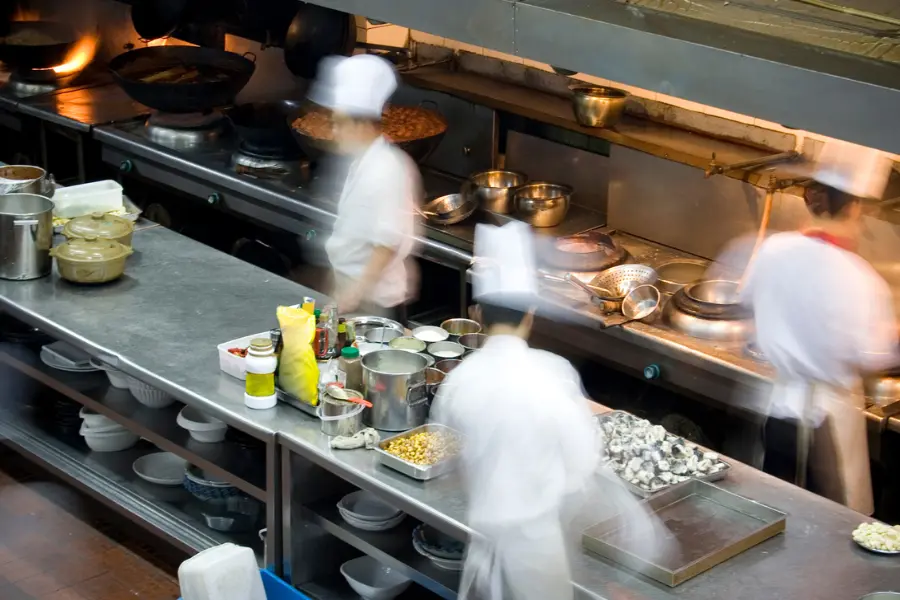
A kitchen is a collaborative environment where communication is constant. Layouts that create visual barriers or isolate stations can slow down coordination between teams. When chefs cannot easily see or hear each other, delays and mistakes become more likely.
Open sightlines, logical station grouping and clear service pass design help teams stay connected during busy periods. This is one of the key considerations in modern hospitality consulting, where design decisions are closely linked to operational performance and team wellbeing. A connected team works faster, reacts better to changes and maintains a stronger service rhythm.
Planning for Peak Hours and Long-Term Growth
A layout that works during slow service may struggle during peak demand. Kitchens must be designed for their busiest hours, not their quietest ones. Adequate space for multiple staff at key stations, flexible prep areas and scalable storage solutions ensure that operations remain smooth even during high volume periods.
Future growth is equally important. Menus evolve, equipment upgrades become necessary and service styles change over time. A flexible layout makes it easier to adapt without major structural changes or costly renovations. Planning ahead prevents expensive redesigns and operational disruptions later.
Safety, Hygiene and Compliance as Core Priorities

Efficiency should never compromise safety or hygiene. Proper zoning between raw and cooked food areas, sufficient ventilation, safe equipment spacing and clear cleaning access are essential components of a high-performing kitchen.
A thoughtfully planned environment reduces accidents, supports compliance with regulations and creates a healthier workspace for staff. When safety and efficiency work together, kitchens can maintain consistent performance while protecting both employees and guests.
Conclusion
A kitchen layout succeeds when guided by an experienced kitchen consultant, ensuring it supports real operations, empowers teams and adapts to future needs. It is a balance of workflow, communication, safety and flexibility, all working together behind the scenes to deliver seamless service. If you are planning a new kitchen or looking to improve operational performance, partnering with HPG Consulting can help transform your space into a truly efficient, future-ready working environment.