
Behind every smooth hotel operation lies a well-designed back-of-house area, especially the staff kitchen, which plays a key role in team morale, productivity, and overall service efficiency. While guests experience the front-facing luxury of a hotel, the internal spaces must operate like a well-oiled machine. Smart staff kitchen design helps achieve this balance by streamlining workflow, organising movement, and ensuring that hotel teams can access meals quickly and comfortably.That’s when strategic commercial kitchen planning makes a noticeable difference.
Understanding the Unique Needs of Staff Kitchens in Hotels
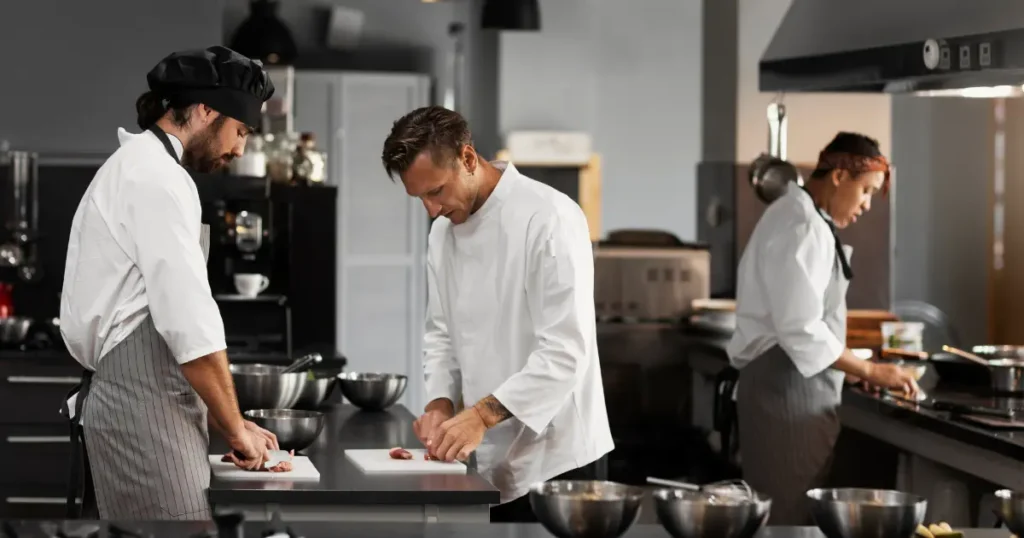
A staff kitchen functions differently from a guest-facing restaurant or café. It must support large numbers of employees across staggered shifts while ensuring quick service, minimal congestion, and ease of maintenance. Hotels rely on efficient staff meal operations to maintain productivity across departments such as housekeeping, engineering, front office, and F&B service.
Designing a staff kitchen therefore requires an understanding of varied meal timings, batch production, bulk storage, and convenience-focused service styles like buffet counters or pre-prep stations. With the help of proper commercial kitchen planning, designers can create layouts that support these unique requirements while maintaining smooth daily operations.
Creating Workflow-Friendly Layouts That Reduce Congestion
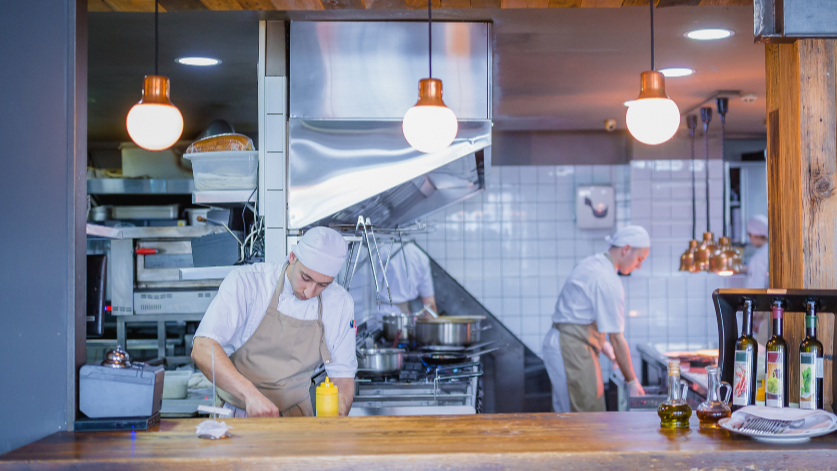
The biggest challenge in staff kitchens is avoiding crowding, especially during meal rushes. A smartly designed layout ensures that the movement of staff, from entering the kitchen to picking up food and exiting, is intuitive and obstacle-free. This includes proper zoning for cooking, plating, service counters, washing, and waste disposal.
Designers consider the flow of ingredients, utensils, and people to eliminate unnecessary steps. Even small changes, such as widening circulation aisles or adjusting counter placement, can dramatically reduce bottlenecks. This is where the principles of kitchen planning make a measurable difference, by turning a functional space into an efficient one.
Selecting Equipment That Supports Speed and Durability

Hotel staff kitchens operate continuously and often serve hundreds of meals per day. The equipment chosen must therefore withstand heavy usage while supporting rapid meal production. Consultants take into account meal types, batch sizes, and frequency of service to choose the right appliances.
High-capacity cooking equipment, durable prep stations, ergonomic storage solutions, and fast-dispensing service counters are elements that help maintain speed without compromising on hygiene or safety. By mapping equipment selection to operational needs, hotels can reduce downtime and improve meal delivery accuracy.
Integrating Technology for Smoother Daily Operations
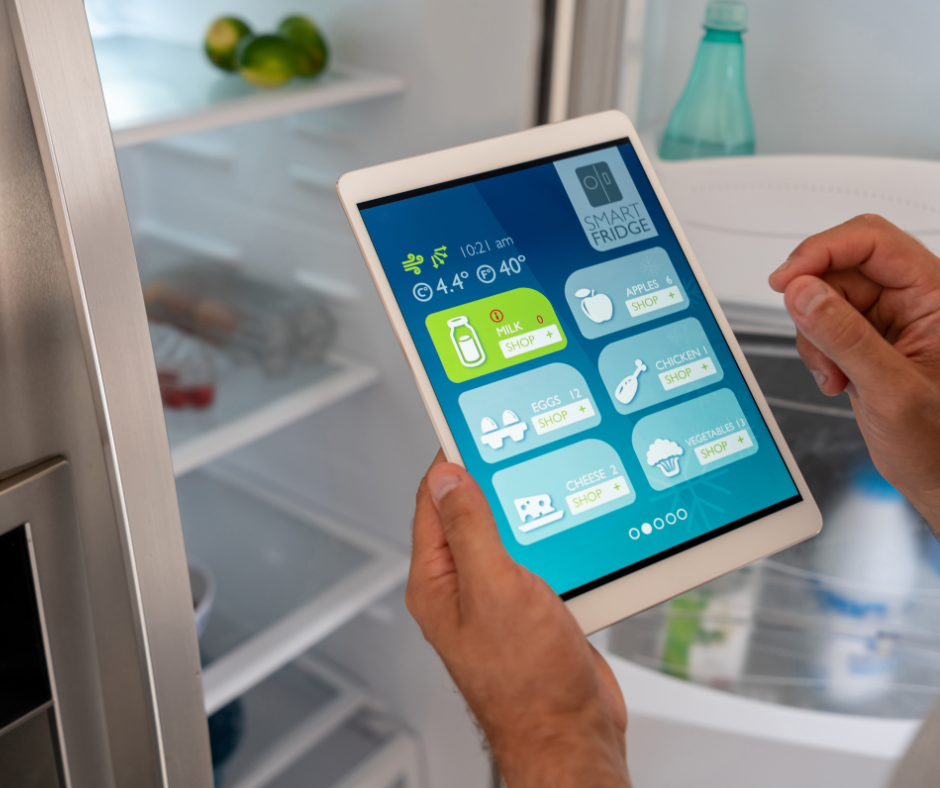
Technology plays a growing role in staff kitchen efficiency. Automated cooking systems, digital inventory trackers, temperature-monitoring tools, and energy-efficient ventilation can streamline routine tasks and reduce human error. With thoughtful integration, these tools help improve safety, reduce wastage, and maintain consistency in meal quality.
Technology becomes especially powerful when aligned with the overall kitchen layout. During the process of commercial kitchen planning, consultants determine where digital systems will have the greatest impact, whether it’s reducing prep time, improving sanitation, or supporting rapid service during peak staff hours.
Designing for Comfort and Morale

A staff kitchen is more than a meal-prep station, it’s a space where employees recharge. Well-designed dining areas, clean service counters, and a comfortable environment can play a significant role in boosting staff morale. Good lighting, ventilation, and smart seating arrangements also help create a space that feels hygienic and pleasant, helping teams return to work refreshed and focused.
Hotels that invest in such thoughtful design often see improvements in employee satisfaction, retention, and overall service quality.
Conclusion
A smartly designed staff kitchen supports speed, comfort, and operational consistency, three foundations of an efficient hotel back-of-house. Through strategic layouts, the right equipment, and thoughtful integration of technology, hotels can significantly elevate productivity behind the scenes. To build a staff kitchen that enhances your hotel’s daily operations, explore expert commercial kitchen planning with HPG Consulting.