
Designing a commercial kitchen goes far beyond placing equipment within a space; it requires a strategic balance between functionality, safety, compliance, and long-term operational efficiency. In hospitality environments where speed, consistency, and hygiene are critical, thoughtful kitchen planning directly impacts overall performance. This is where the expertise of a consultant becomes essential, especially when integrated within broader hospitality consulting frameworks that align kitchen design with business goals. A well-planned kitchen not only improves workflow but also enhances staff productivity, reduces operational risks, and ensures consistent service delivery during peak hours.
Understanding Operational Flow and Space Utilisation

An efficient commercial kitchen begins with a clear understanding of workflow, from receiving and storage to preparation, cooking, plating, and service. Poor layout planning can lead to bottlenecks, increased staff fatigue, and delays during peak hours. Evaluating menu requirements, service style, and staff movement helps create layouts that support seamless operations while ensuring the kitchen complements front-of-house efficiency. In high-volume environments, even small inefficiencies in movement can significantly impact service speed and output quality.
Equipment Planning Based on Concept and Menu
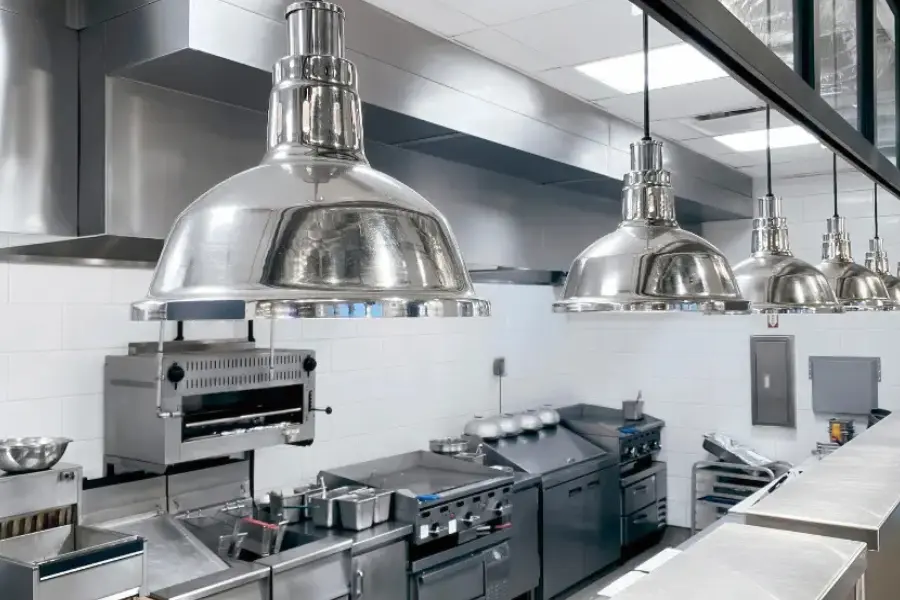
Equipment selection should always align with the concept, cuisine, and expected volume of operations. Over-specifying equipment can increase costs and reduce usable space, while under-specifying can slow down service. A well-planned kitchen considers the right balance of cooking, refrigeration, and preparation equipment to maintain consistency and productivity, while also allowing flexibility for evolving menu needs. Strategic input from a Kitchen Consultant can help ensure that equipment placement supports workflow rather than disrupting it.
Compliance with Safety and Hygiene Standards
Commercial kitchens must adhere to strict safety, fire, and hygiene regulations. Proper ventilation, fire suppression systems, drainage, and waste handling are essential for smooth and compliant operations. Designing with these requirements in mind not only ensures regulatory adherence but also creates a safer and more efficient working environment for staff. Factoring in ease of cleaning, maintenance access, and durable materials further contributes to long-term operational reliability.
Integration of Storage and Waste Management Systems

Effective storage planning is critical for maintaining inventory control, reducing waste, and ensuring food safety. From dry storage to cold rooms and freezer placement, each element should be strategically positioned to support workflow. Additionally, waste management systems should be designed to maintain cleanliness and support sustainable practices without disrupting daily operations. Organised storage layouts and clear handling processes also help improve accountability and reduce losses.
Scalability and Future-Proofing the Kitchen
A well-designed commercial kitchen should be able to adapt to future growth. Whether it’s menu expansion, increased service volume, or the integration of new technologies, flexibility must be built into the layout. This ensures that businesses can scale operations without requiring significant redesign or downtime. Incorporating modular setups and planning for utility expansion can make future upgrades more efficient and cost-effective, often guided by insights from hospitality consulting.
Conclusion
Efficient commercial kitchen planning is a strategic process that directly influences operational success, cost control, and service quality. By combining technical expertise with a deep understanding of hospitality operations, every aspect of the kitchen can be designed to be purpose-driven and performance-oriented. At HPG Consulting, this approach is embedded within a holistic hospitality consulting framework, helping hospitality businesses create kitchen spaces that are efficient, compliant, and built for long-term growth.