
Efficiency in food and beverage operations is a key driver of profitability, consistency, and guest satisfaction in the hospitality industry. From preparation to service, every step must be carefully planned to minimize delays, reduce waste, and ensure smooth coordination between teams. A well-designed kitchen layout combined with structured process planning plays a crucial role in achieving this. This is where the expertise of a food and beverage consultant, supported by broader hospitality consulting, becomes essential in aligning operations with business objectives.

Designing Layouts for Seamless Workflow
An effective kitchen layout is built around the natural flow of operations from receiving and storage to preparation, cooking, plating, and service. Poorly designed layouts can create bottlenecks, increase staff fatigue, and slow down service during peak hours. Structuring workstations in logical sequences and minimizing unnecessary movement helps improve speed and coordination, ultimately enhancing overall efficiency.
Streamlining Processes for Consistency
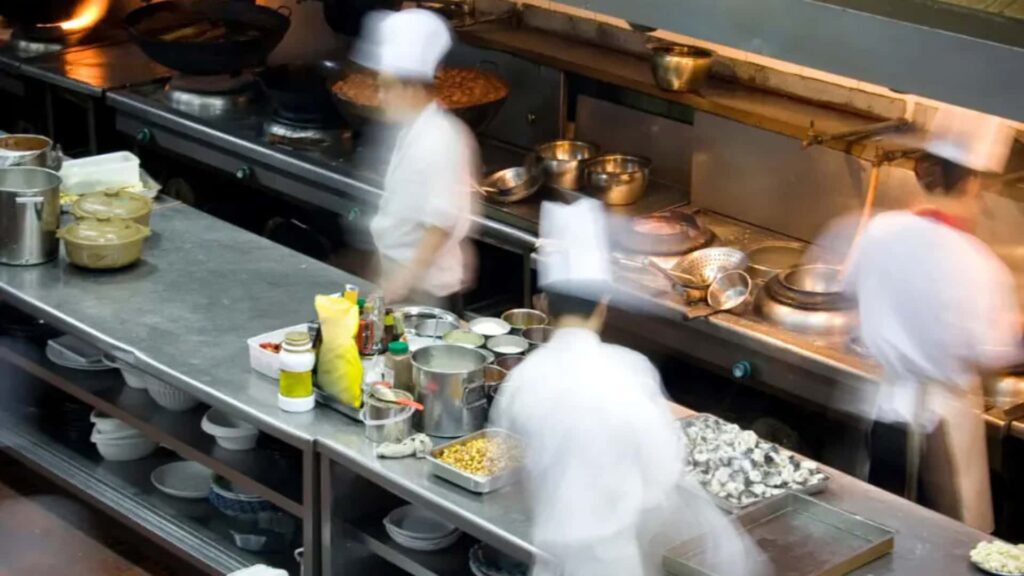
Standardized processes are critical for maintaining consistency in food quality and service delivery. Clear workflows, defined responsibilities, and standard operating procedures ensure that tasks are executed efficiently across shifts. By analyzing operational gaps and refining processes, a food and beverage consultant can help businesses achieve better control over output, reduce errors, and improve productivity.
Optimizing Equipment and Resource Utilization
Efficient operations depend on selecting and positioning equipment in a way that supports workflow and reduces redundancy. Equipment should be chosen based on menu requirements, production volume, and available space. Proper placement ensures ease of use, reduces downtime, and supports faster service. Resource optimization also extends to energy usage, where efficient systems can contribute to long-term cost savings.
Enhancing Coordination Between Kitchen and Service Teams

Strong coordination between back-of-house and front-of-house teams is essential for delivering a seamless guest experience. Misalignment between these functions can lead to delays, order errors, and inconsistent service. Integrating communication systems and aligning workflows ensures that orders are processed efficiently and delivered on time, improving both operational flow and customer satisfaction.
Reducing Waste and Improving Cost Control
Inefficient processes often result in higher levels of food waste, increased labor costs, and resource mismanagement. By implementing better inventory control, portion standardization, and process optimization, businesses can significantly reduce waste. A structured approach not only improves sustainability but also enhances profitability by controlling operational expenses.
Conclusion
Improving efficiency in food and beverage operations requires a strategic approach that combines layout planning with process optimization. With the guidance of a food and beverage consultant and the structured approach of hospitality consulting, businesses can create systems that enhance productivity, reduce costs, and maintain consistent quality. At HPG Consulting, these principles are applied to develop tailored solutions that help hospitality businesses achieve operational excellence and long-term growth.