
Behind every successful commercial kitchen is a carefully planned equipment strategy that supports speed, consistency, and safety. While layout and workflow often receive attention, equipment planning plays an equally critical role in ensuring smooth daily operations. Choosing the right equipment, placing it strategically, and aligning it with operational needs can significantly improve productivity, reduce costs, and support long-term business growth. Without a structured equipment plan, kitchens often face recurring issues such as delays, overcrowding, rising utility expenses, and inconsistent output.
Understanding Operational Needs Before Selecting Equipment
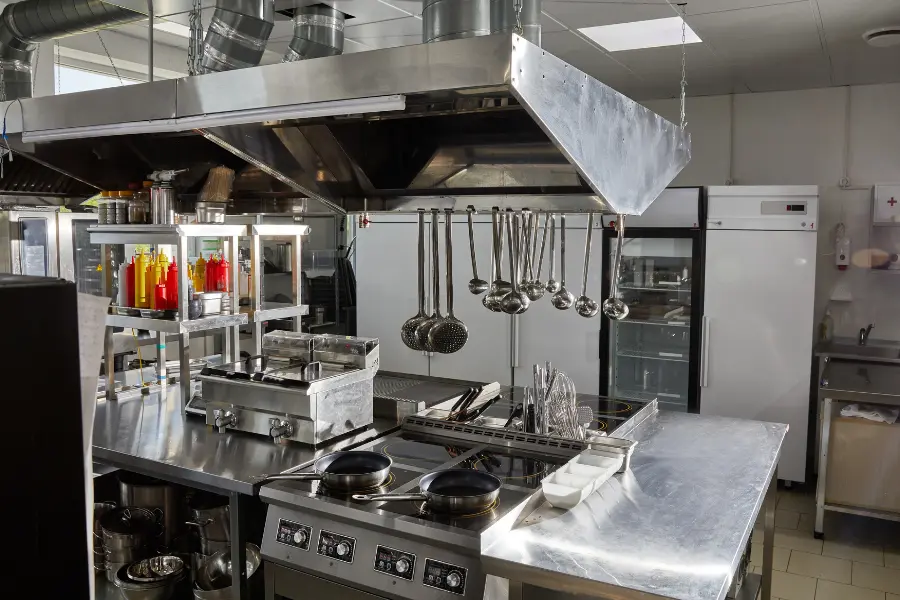
Every kitchen operates differently depending on menu complexity, service style, and expected volume. Selecting equipment without fully understanding these factors often leads to underutilised appliances or workflow bottlenecks. Thoughtful planning begins with analysing the kitchen’s daily demands, peak service requirements, and long-term business goals. This is where an experienced kitchen consultant becomes essential, helping businesses identify equipment that supports efficiency while avoiding unnecessary investment. By evaluating production capacity and service expectations, kitchens can invest in tools that truly support their operations.
Aligning Equipment with Workflow Efficiency
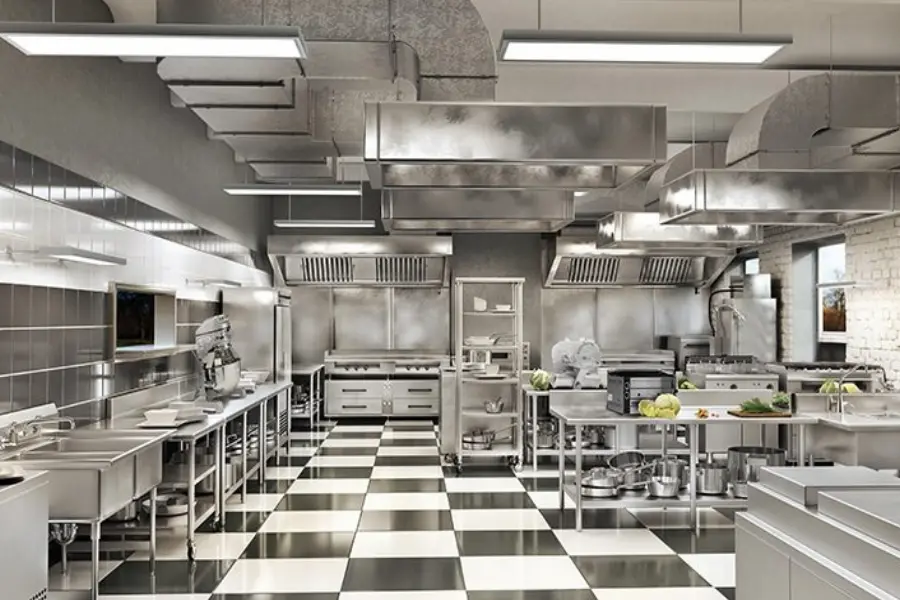
Equipment placement should always complement the natural workflow of the kitchen. Prep stations must connect seamlessly to cooking areas, while plating and dispatch zones should allow quick service without congestion. Poor placement can create bottlenecks that slow down production and increase stress during peak hours. Strategic equipment planning ensures every station supports the next, creating a smooth and uninterrupted production line. When equipment is positioned with purpose, communication improves and service becomes faster and more coordinated.
Preventing Overcrowding and Maximising Space
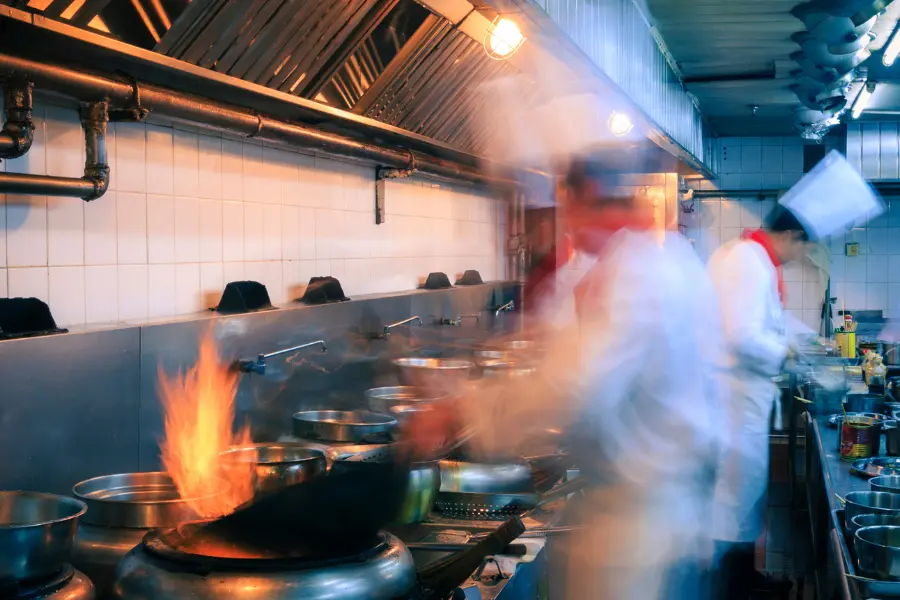
Commercial kitchens often operate within limited space, making it crucial to balance equipment quantity with available room. Overcrowded kitchens lead to restricted movement, safety risks, and inefficient operations. Proper planning focuses on selecting multi-functional equipment and optimising available space without compromising performance. This approach is a key part of hospitality consulting, helping kitchens maintain productivity while ensuring safe and comfortable working conditions. Efficient use of space also reduces workplace stress and supports smoother teamwork.
Improving Energy Efficiency and Operational Costs
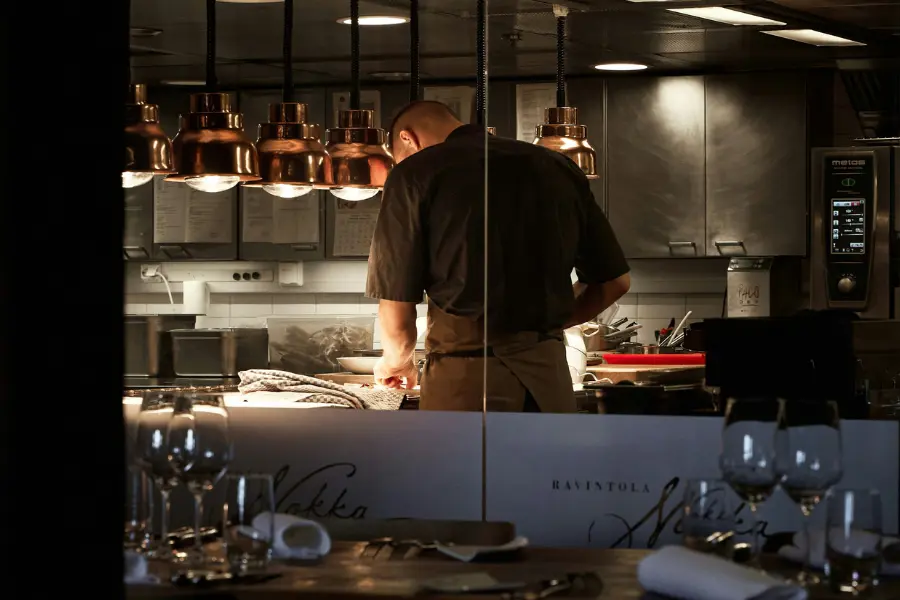
Energy consumption is one of the largest operational expenses in commercial kitchens. Poorly chosen or outdated equipment can significantly increase utility costs over time. Strategic planning prioritises energy-efficient appliances and positions them to minimise heat buildup and ventilation challenges. Modern equipment with energy-saving features not only lowers monthly expenses but also contributes to sustainable business practices. Over time, these decisions provide long-term cost savings while supporting environmentally responsible operations.
Supporting Consistency and Food Quality
Consistency is essential in any professional kitchen. The right equipment ensures precise temperature control, reliable cooking performance, and faster preparation times. When chefs can rely on their tools, they can focus on delivering high-quality dishes consistently. Equipment planning therefore directly contributes to customer satisfaction, operational reliability, and brand reputation.
Planning for Future Growth and Menu Expansion

As businesses grow, menus evolve and service volumes increase. Equipment planning should anticipate these changes to avoid costly upgrades or redesigns later. Flexible layouts and scalable equipment choices allow kitchens to adapt to new demands while maintaining efficiency. Planning ahead ensures the kitchen continues to support business goals for years to come while avoiding unnecessary disruptions.
Conclusion
Proper equipment planning is fundamental to building a kitchen that performs efficiently every day. By aligning equipment with workflow, space, energy efficiency, and future growth, businesses can create kitchens that support long-term success. With the expertise of HPG Consulting and their hospitality consulting approach, businesses can design commercial kitchens equipped for performance, consistency, and growth.