
A well-structured menu is at the heart of every successful foodservice operation. It guides purchasing, influences workflow, impacts customer satisfaction, and ultimately shapes profitability. Yet building a consistent and operationally sound menu is far more complex than simply listing dishes. This is where the expertise of a food and beverage consultant becomes invaluable. With the right insights, strategy, and operational understanding, food service consultants help transform a menu from a collection of ideas into a streamlined, profitable, and guest-focused offering.
Understanding the Operational Backbone of a Menu

A menu doesn’t exist in isolation, it directly affects inventory, kitchen layout, staffing patterns, and cost control. Food and beverage consultants start by studying the existing operations, cuisine style, the chef’s vision, and the establishment’s target audience. Their goal is simple: to ensure that every dish on the menu can be produced consistently during service, without overwhelming the kitchen or increasing operational strain.
They analyse the balance between complexity and feasibility, ensuring that signature dishes coexist with high-efficiency items. By connecting culinary creativity with operational practicality, food service consultants help build menus that maintain consistency during peak hours while still delivering memorable experiences to guests.
Creating a Cohesive Culinary Identity
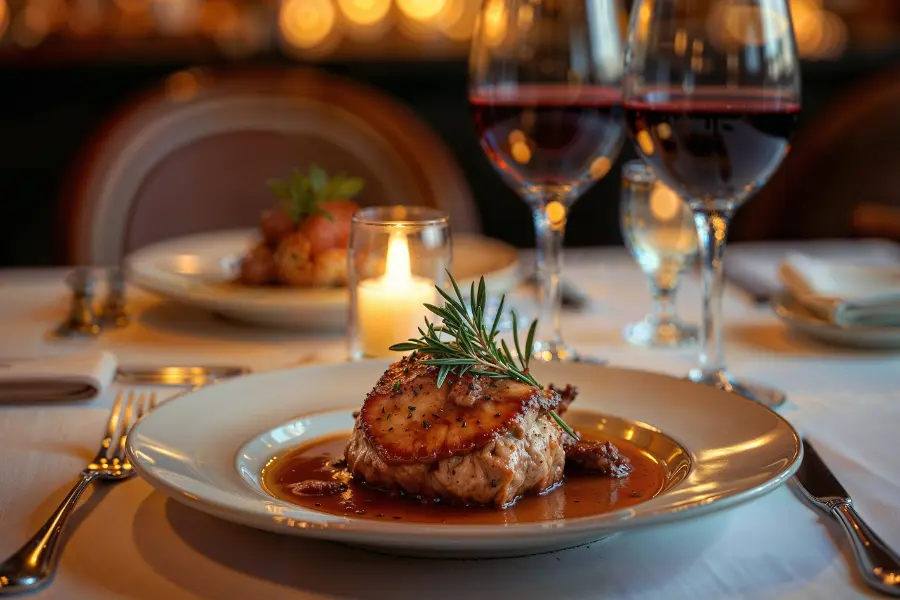
A strong menu reflects the brand’s identity. Whether the restaurant aims for comfort food, fine dining, regional cuisine, or a quick-service model, consultants help shape a menu that aligns with the brand’s story. They refine dish categories, portion sizes, ingredient lists, and flavour profiles to create a cohesive culinary experience.
In many cases, they also identify redundancies, dishes that compete with each other or overload the kitchen with unnecessary prep tasks. By streamlining the offering, consultants ensure that every menu item serves a purpose and contributes to the overall identity of the establishment. This clarity strengthens customer perception and helps reinforce the restaurant’s positioning in a competitive market.
Ensuring Consistency Across Multiple Outlets
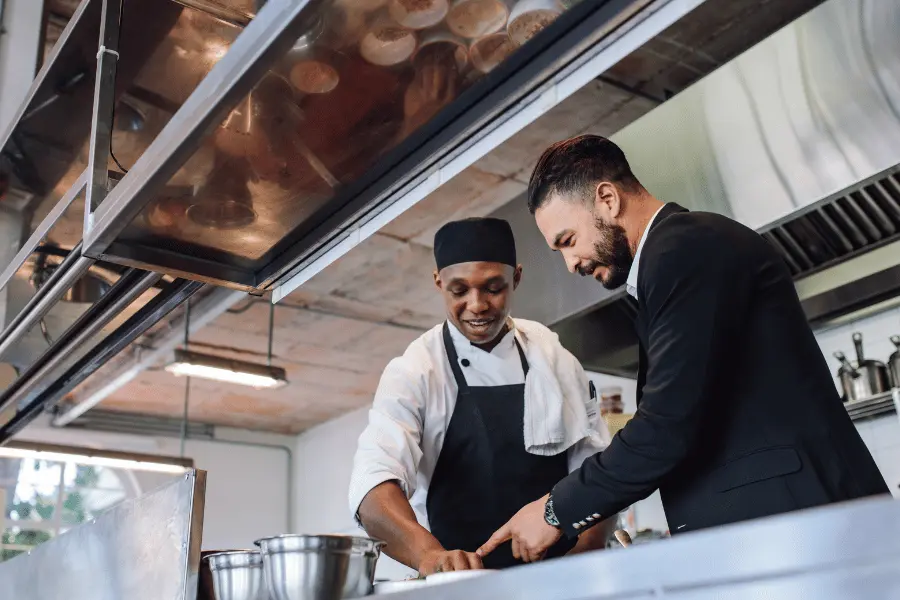
For brands with multiple outlets or plans to expand, maintaining consistency becomes one of the biggest challenges. A dish that performs perfectly in one kitchen may vary significantly in another due to equipment differences, staff training levels, or ingredient supply chains.
Food and beverage consultants address these gaps by developing standardised recipes, preparation guidelines, and production systems. They ensure that every outlet can deliver the same quality and taste, regardless of location. This level of uniformity is essential for customer trust, and it is one of the core strengths of experienced food service consultants working with scalable restaurant brands.
Balancing Cost Efficiency with Culinary Quality

Profitability and creativity often compete for space on a menu. A consultant helps bridge this gap by analysing food costs, supplier pricing, preparation time, and waste patterns. They determine which dishes offer the best margins, which ingredients can be cross-utilised, and where potential losses occur.
By simplifying production steps and optimising ingredient usage, they maintain culinary quality while ensuring the menu remains financially sustainable. This strategic balance not only supports bottom-line growth but also helps kitchens operate more efficiently and predictably.
Aligning Menu Design with Kitchen Workflow
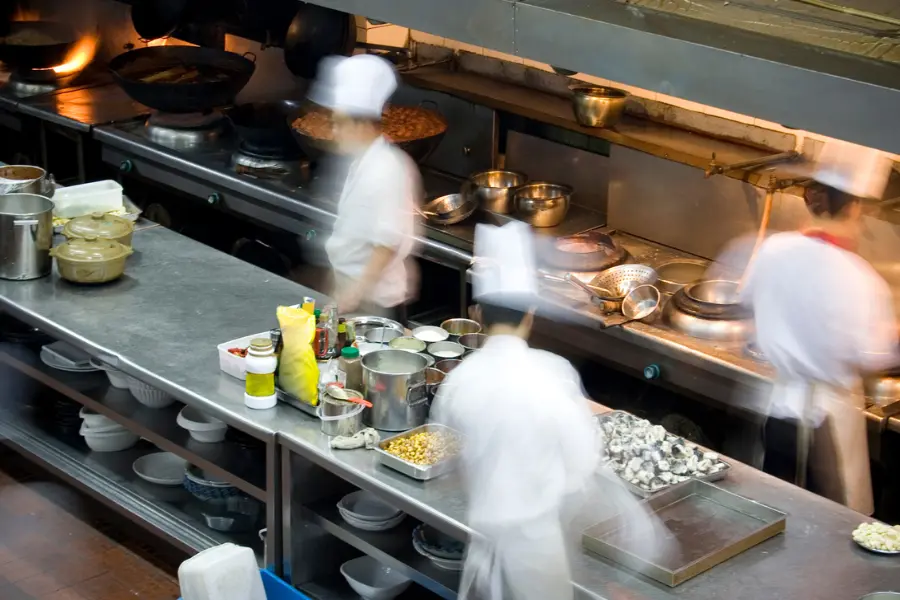
A menu can only succeed if the kitchen can execute it flawlessly. Consultants evaluate how each dish moves through the kitchen, from prep to cooking to plating. They identify bottlenecks, recommend equipment upgrades if needed, and ensure that the menu supports smooth workflow during peak service hours.
This integration of menu strategy and kitchen operations results in better speed, fewer errors, and a more confident staff. It also creates the foundation for a consistent dining experience across every service.
Conclusion
A well-structured menu is both an operational tool and a reflection of a brand’s culinary vision. Food and beverage consultants bring the expertise needed to balance creativity, consistency, and efficiency, helping restaurants build menus that are scalable, profitable, and reliable. To create a menu that strengthens both guest experience and operational workflow, explore the possibilities with food service consultants at HPG Consulting.