
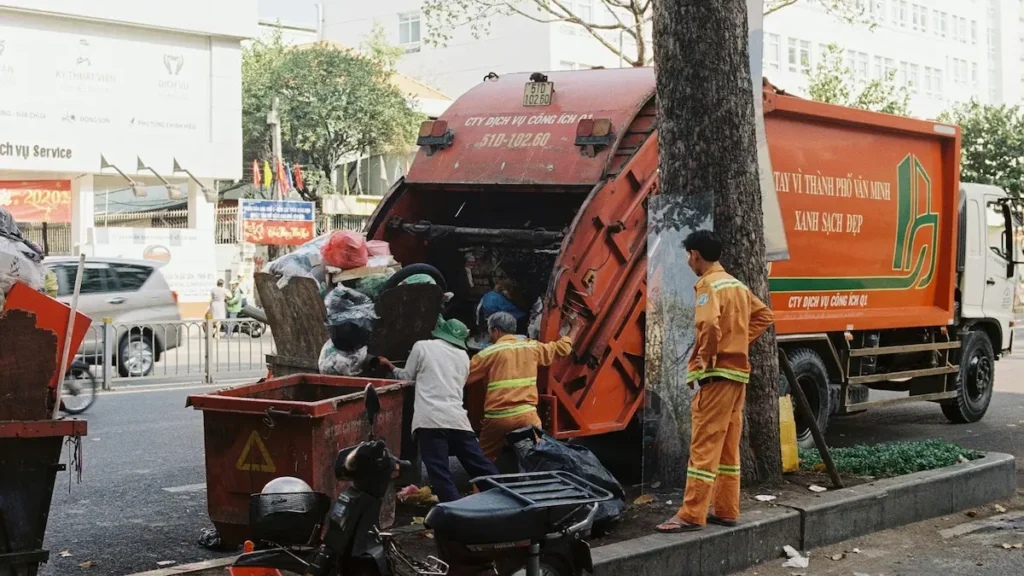
Modern hospitality rarely collapses in visible areas. It happens quietly in the back-of-house. Waste starts mixing, segregation slips during peak hours, and nobody notices until compliance shows up or operations start getting messy.
A Waste Management Consultant comes in to fix exactly that invisible breakdown point.
This is also where hospitality consulting becomes practical instead of theoretical. It connects rules on paper with how kitchens, housekeeping, and service teams actually behave under pressure.
How Compliance Standards Work in Hospitality Waste Systems
A Waste Management Consultant doesn’t treat compliance like a checklist. It is built into how waste flows through the property.
Hotels and commercial kitchens deal with multiple waste streams at once. Food waste, packaging, recyclables, and sometimes hazardous materials all move through the system daily. If they are handled the same way, compliance breaks fast.
Most failures don’t come from lack of knowledge. They come from weak systems that can’t hold up during real operations.
That’s where strong hospitality consulting ensures compliance becomes part of daily workflow instead of being dependent on reminders or supervision.
Why Waste Management Consulting Depends on Real Operational Behavior
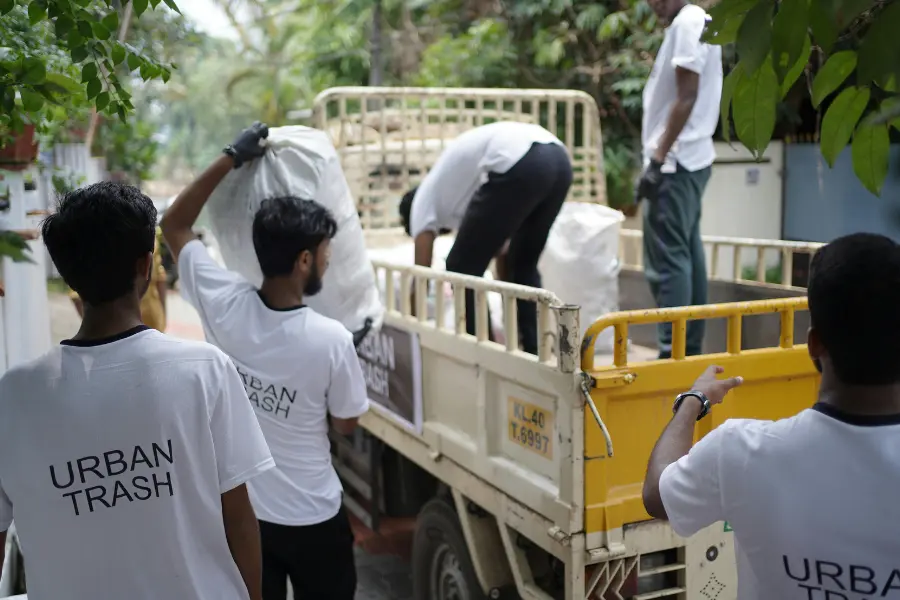
A Waste Management Consultant studies how people actually work, not how processes are written on paper.
Waste systems fail when they don’t match real movement. During peak hours, staff don’t follow complicated steps. They follow convenience. If segregation points are not placed correctly, mistakes become routine.
This is why system design matters more than instructions. Good consulting builds around behavior, not assumptions.
Designing Waste Segregation That Fits Hospitality Flow
A Waste Management Consultant focuses on making segregation effortless inside real working environments.
Every zone in hospitality behaves differently. Kitchens are fast and high-pressure. Service areas are repetitive. Back-of-house movement is constant. A single waste system cannot fit all of them.
When segregation is aligned with workflow, compliance becomes automatic. When it is not, contamination becomes constant.
This is where commercial kitchen planning becomes critical, because layout decisions directly affect how waste moves and how clean separation is maintained.
Sustainability Through Structured Waste Systems
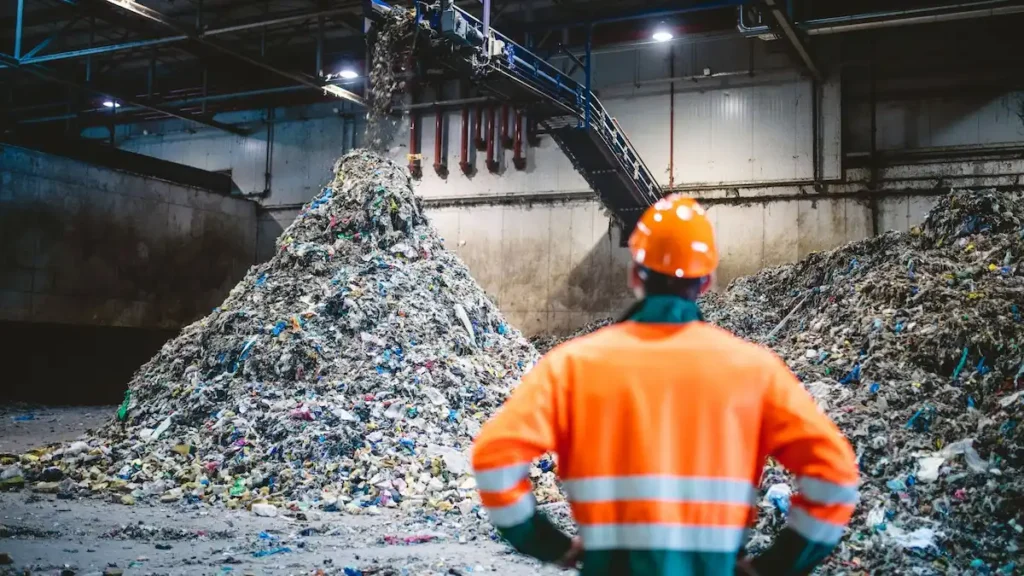
A Waste Management Consultant ensures sustainability is not just an idea but something measurable.
Most hospitality properties want to reduce waste and improve recycling, but without proper tracking, nothing improves. Waste data needs to be visible, consistent, and actionable.
Without structure, sustainability becomes a report. With structure, it becomes an operational system that improves over time.
This is where hospitality consulting helps turn sustainability into a working process instead of a branding message.
Where Hospitality Waste Systems Usually Break
A Waste Management Consultant often finds the same failure points across properties.
Waste systems look fine during planning, but during real operations they break under pressure. Overflowing bins, unclear segregation, and delayed pickup cycles create friction across departments.
These issues don’t appear immediately. They build slowly and then suddenly affect hygiene, speed, and compliance.
Strong Kitchen Consultant thinking ensures these breakdown points are addressed at the design level instead of being fixed later.
Conclusion
A Waste Management Consultant is not managing disposal. The role is about building systems that keep hospitality operations stable, compliant, and efficient under real pressure.
Waste only works when it becomes invisible in daily operations. No confusion, no guesswork, no dependency on constant monitoring.
That’s what strong hospitality consulting achieves, systems that quietly hold everything together while operations focus on service and guest experience.