
Food service in healthcare environments operates under a very different set of expectations compared to commercial hospitality or standalone restaurants. Hospitals, medical colleges, and care facilities must balance operational efficiency with strict hygiene standards, nutritional requirements, and uninterrupted service delivery. Small inefficiencies or planning gaps can directly impact patient care and staff workflows. This complexity is why healthcare food service requires a specialized approach, guided by an experienced kitchen consultant who understands both operational planning and healthcare-specific requirements.
Healthcare Kitchens Operate Under Stricter Standards
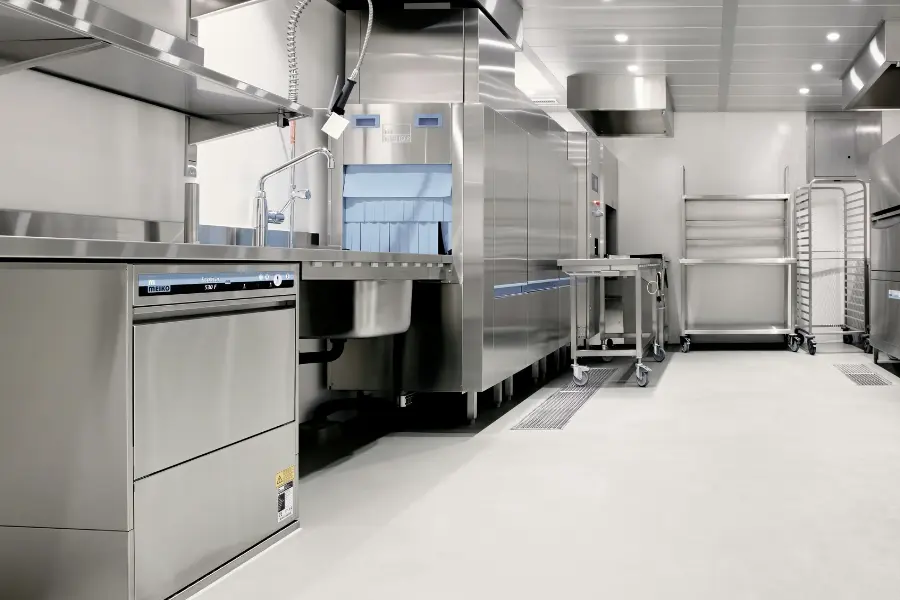
Healthcare food service environments must comply with rigorous hygiene, sanitation, and safety protocols. Unlike conventional kitchens, these facilities often serve vulnerable populations where food safety and contamination control are critical. Workflow design, material selection, equipment placement, and segregation of clean and soiled areas all require careful planning.
A specialized kitchen consultant evaluates kitchen layouts to ensure that food preparation, storage, and distribution processes support hygiene compliance while maintaining efficiency. Without expert input, kitchens may face challenges such as cross-contamination risks, inefficient movement patterns, or non-compliant layouts that are costly to correct after operations begin.
Complex Workflow and Service Demands

Healthcare food service operations often run continuously, supporting patients, medical staff, and visitors across multiple service cycles. Meals may be customized based on dietary restrictions, medical conditions, or nutrition plans, adding complexity to production and distribution.
A kitchen consultant helps structure workflows that accommodate these demands without overburdening staff or disrupting service. By analyzing production capacity, service timing, and coordination between departments, consultants help ensure kitchens can operate smoothly under constant demand while maintaining consistency and quality.
Equipment Planning and Space Optimization
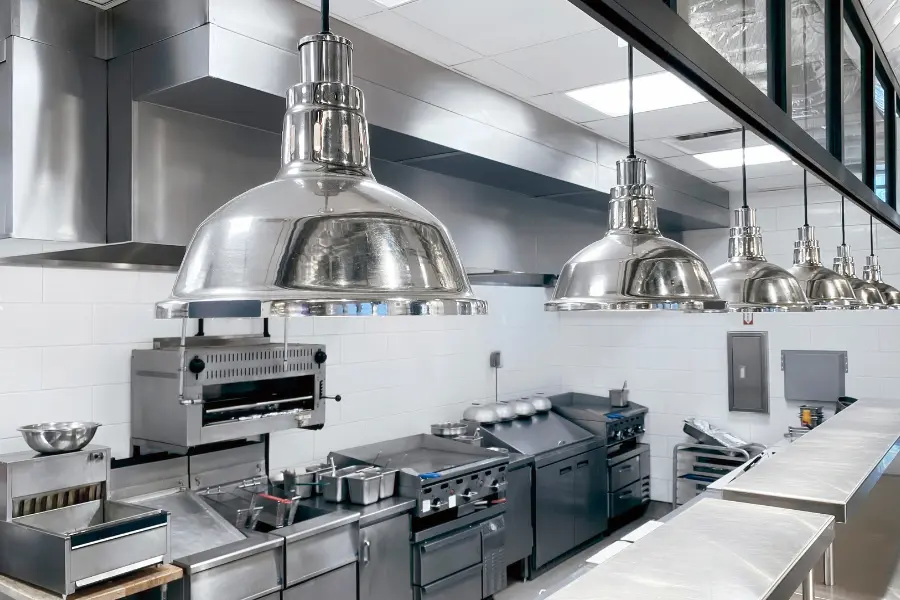
Healthcare kitchens require equipment that supports large-scale production, strict hygiene standards, and efficient cleaning protocols. Poor equipment selection or improper placement can lead to bottlenecks, increased maintenance issues, or safety concerns.
Engaging a kitchen consultant during the planning stage ensures that equipment choices align with operational needs and available space. Consultants assess factors such as capacity requirements, energy efficiency, ease of maintenance, and staff ergonomics. This structured planning helps avoid underutilized equipment or space constraints that limit long-term operational flexibility.
Staff Efficiency and Operational Safety

Healthcare kitchen staff often work in high-pressure environments where efficiency and safety are equally important. Poorly planned layouts can increase physical strain, create congestion, or raise the risk of workplace accidents.
Through specialized kitchen planning, a consultant integrates staff movement, storage access, and waste handling into the overall design. This approach supports safer workflows, reduces unnecessary movement, and helps maintain productivity during peak service hours.
Long-Term Scalability and Operational Resilience

Healthcare facilities evolve over time, expanding capacity or adapting to changing service requirements. Kitchens that are not designed with scalability in mind may struggle to support growth or new operational demands.
A kitchen consultant helps future-proof healthcare food service facilities by designing adaptable layouts and scalable systems. This forward-looking approach ensures that kitchens remain functional and compliant as operational needs change.
Conclusion
Healthcare food service demands a level of planning and precision that goes beyond conventional kitchen design. Specialized consulting ensures that hygiene standards, workflow efficiency, staff safety, and long-term operational needs are addressed cohesively. By working with an experienced kitchen consultant such as HPG Consulting, healthcare institutions can develop food service facilities that are efficient, compliant, and resilient, supporting both patient care and operational excellence over the long term.