
Every hotel project reaches a moment when someone leans over the drawings and asks, “Can we just move it?”
On paper, moving a wall, a kitchen, or a laundry is an eraser and ten minutes. On site, it is a demolition order with a purchase order attached. The change itself is rarely the problem. The timing is.
Owners who bring in hospitality consulting at the very start of a project still make changes. They simply make them while the building is still a set of drawings, which is the cheapest place a change will ever be made.

The Most Expensive Word in a Hotel Project Is “Later”
A change on a drawing costs someone’s time. The same change after the slab is poured, the ducts are routed, and the equipment is ordered costs materials, labour, delay and, usually, a redesign of everything that depended on the original decision.
Hotel projects are full of those dependencies. The position of a kitchen affects exhaust routes, drainage, structure, delivery access and the path waste takes out of the building. Move one, and you have quietly moved five. Every month a decision stays open, the options narrow and the price of changing course climbs.
Where Late Changes Actually Come From
Guest-facing spaces get attention first. Lobbies, rooms and restaurants are designed, reviewed and polished. The back of house often gets whatever space remains, and that is where late changes tend to start.
The pattern is familiar. A kitchen is drawn before the food and beverage concept is settled. A laundry is squeezed into leftover space with no thought for steam, drainage, or ventilation. A waste room is too small for segregation or cold storage. Utilities are sized for a brochure rather than for the equipment that will actually be installed.
The cost of these gaps is rarely visible in the original budget. Capital budgets are approved against early estimates, and every late change draws down the contingency that was meant for genuine unknowns. By the time the real surprises arrive, the cushion is already gone.
None of these are construction mistakes. They are sequencing mistakes: the right question asked at the wrong time, usually by an operations team seeing the drawings for the first time.
What Early Involvement Actually Changes
Bringing a consultant in early is not about adding another voice to the meeting. It changes what gets decided, and when.
Operations shape the brief. Before layouts are drawn, the concept, expected covers, menu style, linen volumes, and waste streams are defined, so architects design to real requirements instead of assumptions.
Space and services are locked in early. Power, water, gas, drainage and exhaust needs reach the structural and engineering drawings while they can still be absorbed, not after.
Someone speaks every language. A good consultant understands the kitchen, the laundry, and the waste flow as well as the architect and engineer, and translates between them before conflicts reach the site.
Each design stage gets a reality check. Layouts are reviewed against how the hotel will actually run, so clashes are caught on screen rather than in concrete.
Early involvement also does not mean over-designing. A good consultant right-sizes. Sometimes the most valuable finding is that a space can be smaller, a piece of equipment is unnecessary or a service can be shared, which saves money before a single drawing is issued.
This is the thinking behind HPG’s work across commercial kitchen planning, laundry design and waste management. Two decades and more than 645 designs in over 30 countries have taught us that the same questions, asked early, prevent the same expensive surprises.
One Decision, Three Moments
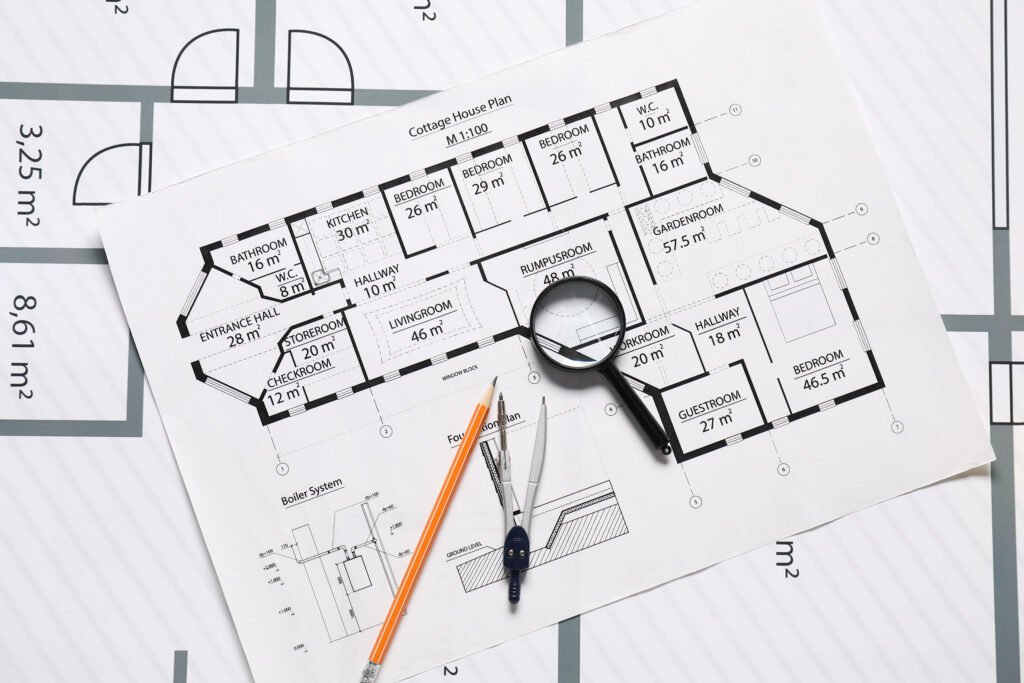
Here is an illustration. A hotel realises its main kitchen needs to be larger to support banquets. Watch what the same decision costs at three different points.
- At concept stage: a conversation and a revised sketch. Nothing is built, ordered or approved.
- During detailed design: layouts are redrawn and services re-coordinated across several drawings. It costs time and fees, but the damage is contained.
- During construction: structure is altered, services are re-routed, equipment orders are revised, and the programme slips. Opening-date pressure then pushes the team toward compromises nobody wanted.
Same decision. Three very different bills.
It Isn’t Only the Construction Bill
The visible cost of a late change is the invoice. The less visible costs often outlast it.
A kitchen with a flawed layout does not stay a one-time problem. It becomes extra steps for every cook, every shift, every day. A delayed opening is revenue that never comes back. A back-of-house that fights the operation shows up in energy use, staffing, and guest experience for years.
That is why we keep returning to long-term thinking, as in building for 20 years, not 2. And when owners come to us mid-project or after the fact, the conversation often sounds like the one in why hotel renovations fail without consulting input first: good intentions, late questions, avoidable costs.
So, When Is “Early” Early Enough?
Earlier than most owners expect. The strongest moments to involve a consultant are:
- During feasibility or site selection, when space and service needs shape what is possible.
- At concept stage, before the architect fixes layouts around guesses.
- Before design is frozen and engineering drawings are issued.
- Before equipment is tendered or ordered.
If drawings are already approved, the answer is still the same: sooner is cheaper than later.

Plan Once. Change on Paper.
Hotels will always change. Concepts evolve, brands update standards, and guests expect more. The question is whether those changes happen where they are cheap or where they are painful.
Strong hospitality consulting moves the hard conversations to the start of the project, where they cost the least and achieve the most. If you are planning a new hotel, a renovation, or a back-of-house upgrade, connect with the HPG Consulting team before the drawings are final. The cheapest change is the one you never have to make, and the next cheapest is the one you make on paper.