
At 5:30 in the morning, long before breakfast service peaks, a truck backs up to the service dock of a hotel. Within minutes, the bins filled by the kitchen, housekeeping, banquets, and bars are tipped, loaded, and gone. The dock is washed down. No guest sees a thing.
For most owners, that is where the story ends. It shouldn’t be. Waste does not disappear when it leaves the building. It travels, gets sorted, priced, processed, recovered or buried, and at every step it carries cost, compliance risk and reputation back to the property that created it.
A Waste Management Consultant reads that journey the way an owner reads a P&L: as a chain of decisions, each one either protecting value or quietly draining it. So let’s follow the truck.
It Starts Long Before the Truck Arrives
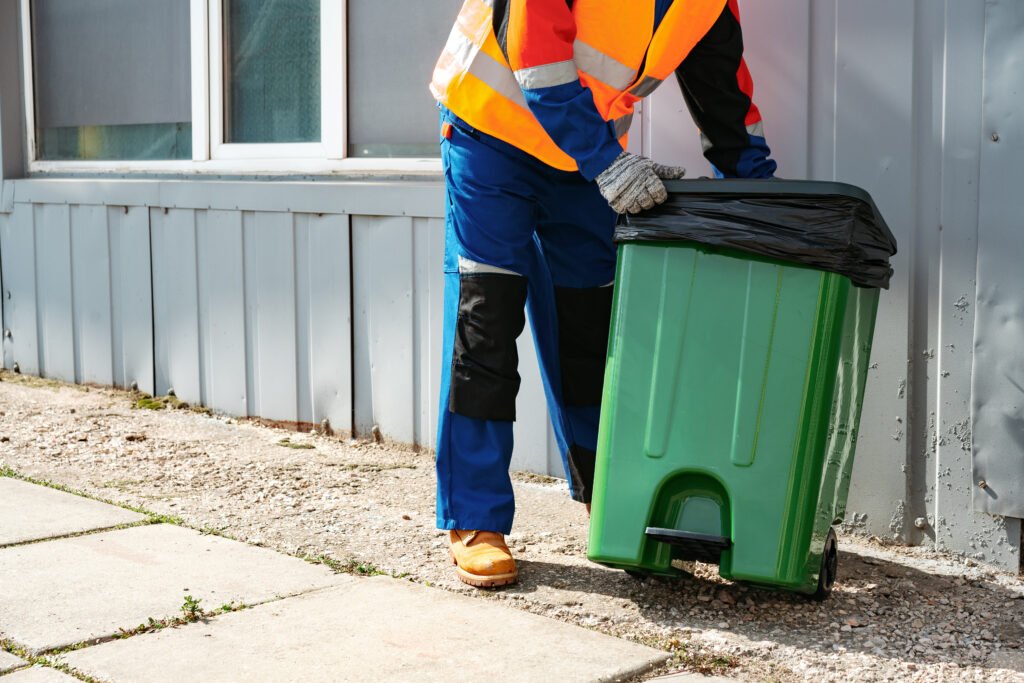
A hotel doesn’t produce one kind of waste. It produces a dozen. Food scraps from the kitchen. Cardboard and packaging from receiving. Glass and cans from bars. Used cooking oil. Garden clippings. Amenity bottles, worn linen and mixed rubbish from public areas. Each stream has its own weight, moisture, value and legal disposal route.
What decides its fate is not the truck. It is the moment of disposal. When streams are separated at source, they stay clean, light and valuable. When everything goes into one bin, clean cardboard soaks up food waste, glass breaks into everything, and material that could have been recovered becomes mixed refuse. A decision made at a prep station at 9 p.m. shapes where that material ends up for the rest of its life.
Design matters here more than most owners realise. Where bins are placed, how large the waste room is, whether there is cold storage for organics, how service lifts route waste away from guest corridors – these are back-of-house planning decisions, usually made once, early, and lived with for decades.
Where Hotel Waste Actually Goes
Once collected, a hotel’s waste follows one of four routes.
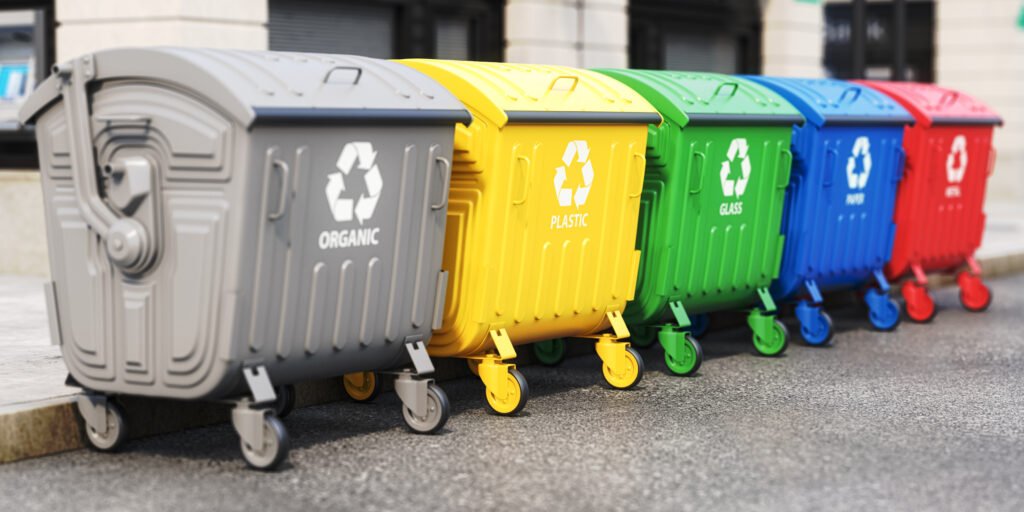
- Recycling. Segregated dry waste such as paper, cardboard, glass, metal and certain plastics goes to material recovery facilities and recyclers. Clean material can earn value, or at the very least avoid a disposal fee.
- Organic processing. Food waste can be composted or sent to biogas facilities, turning a cost into compost or energy. This only works if it arrives uncontaminated.
- Waste-to-energy. Residual waste that cannot be recycled may be burned under controlled conditions to generate power, where such plants exist.
- Landfill. Whatever is left. It is the most visible end of the chain and the one with the shortest runway: space is shrinking, and costs keep rising.
Here is the part owners rarely hear. Waste that isn’t separated at the hotel defaults to the bottom of that list. The less a property sorts, the more of its waste takes the easiest, least visible route, which is seldom the cheapest once weight-based fees, compliance exposure, and lost recovery value are counted.
Why This Belongs on the Owner’s Desk, Not Just the Engineer’s
Waste can look like an operational detail. It is closer to a balance-sheet line that nobody has opened.
The cost hides in plain sight. Hauling is typically charged by volume or weight, and mixed, wet waste is the heaviest and most expensive to move. Food waste also sits inside the food cost percentage without ever being itemised, a pattern we unpack in our piece on the hidden cost of food wastage in hotel kitchens.
Compliance is tightening. In many markets, including India, large waste generators such as hotels carry clear obligations around segregation and authorised handling, and enforcement is moving in one direction.
Certifications and corporate buyers want proof. Sustainability certifications, brand standards and corporate travel tenders increasingly ask for documented waste data, not good intentions. A waste audit is what turns a claim into evidence.
Your name travels with your waste. If material from your property is dumped illegally by a careless contractor, the headline won’t only say who drove the truck. It will say whose hotel it came from.
What a Waste Management Consultant Actually Does
A good consultant doesn’t begin with bins. They begin with data: what the property generates, by stream and by department, and what each stream is made of. At HPG Consulting, that analysis of waste generation and composition becomes the foundation for a waste flow strategy, one that maps every stream from source to final destination and aligns with present needs, future growth, and government regulations.
From there, the work becomes practical. Segregation systems that housekeeping and kitchen teams can actually follow. Waste rooms sized for real volumes. Cold storage for organics. Equipment such as balers and compactors specified for the property rather than copied from a brochure. Vendor selection with verification built in, so the owner can see where material ends up instead of assuming.
This is where hospitality consulting earns its keep. Waste doesn’t live alone. It is shaped by how the kitchen is laid out, how the laundry runs, and how the back-of-house flows. A consultant who sees all of those together can solve the waste problem at the design stage, long before it becomes a running cost.

Five Questions Every Owner Should Be Able to Answer
Try this on your own property. If you can answer all five in under a minute, you are ahead of most.
- How much waste does the property generate each month, and in which streams?
- Who collects it, and where does it actually go?
- Is there paperwork that proves it, such as weighbridge slips, manifests or processing certificates?
- What share is kept out of landfill, and is that figure measured or assumed?
- Was the back of house designed to support segregation, or does it work against it?
If two or more leave you reaching for the phone, there is a gap worth closing.
The Truck Leaves. The Responsibility Doesn’t.
Every hotel produces waste. The difference lies in whether the owner knows where it goes, what it costs, and what it could earn. Once that journey is visible, it stops being an overhead nobody questions and becomes something you can manage, measure, and improve.
That is the work of a Waste Management Consultant at its best, and of hospitality consulting more broadly: connecting what happens behind the dock to what shows up in the P&L, the audit report, and the brand’s reputation. If you would like to understand where your property’s waste really ends up, connect with the HPG Consulting team. The best time to follow the truck is before someone else asks you to.