
A hotel renovation carries a particular kind of optimism. The property is being improved. Money is being invested. Guests will return to something better than what they left.
What makes renovation different from new construction is also what makes it more technically demanding: the building already exists, the operations are already established, and the renovation is happening inside a functioning system that cannot simply be paused and restarted. The decisions that went wrong the first time are still in the walls, and a renovation that does not address them will resurface those problems in the next cycle.
This is why renovation projects that proceed without hospitality consulting input at the brief stage so often deliver beautiful new surfaces over unchanged operational problems – spending significant capital to improve what guests see while the systems that determine what guests experience remain exactly as they were.
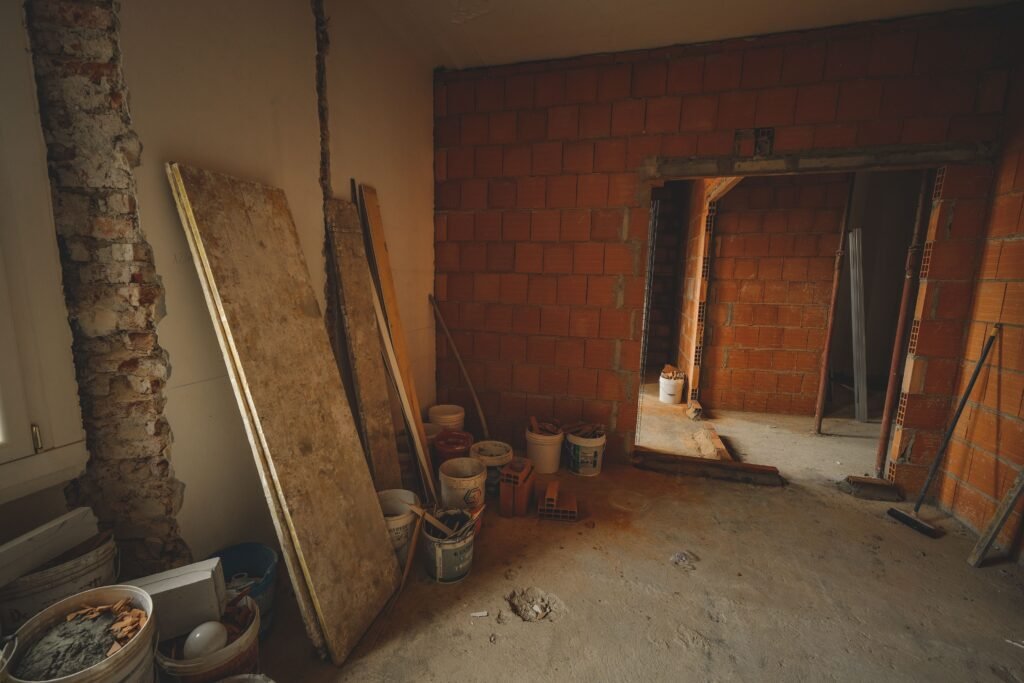
The Renovation Trap: Fixing the Look Without Fixing the Function
The most common renovation failure in hospitality is not a contractor problem, a budget problem, or a design problem. It is a brief problem. The renovation scope was written around what could be seen – the lobby finish, the guest room furniture, the restaurant interior – and the operational systems that sat behind the visible surfaces were carried forward unchanged because nobody reviewed whether they were still fit for purpose.
A kitchen that struggled to support the original F&B programme will still struggle after the dining room has been beautifully redesigned around it. A laundry room that could not keep pace with peak occupancy will create the same bottlenecks after the guest rooms above it have been refurbished to a higher standard. A waste system that was generating compliance risk will continue generating it regardless of how well the back-of-house corridor has been repainted.
Renovation investment that does not address the operational brief is investment that makes the problem more expensive to solve next time, because the next renovation will have to work around a fresher set of surfaces to reach the systems underneath them.
What a Consulting Review Finds That a Renovation Brief Misses
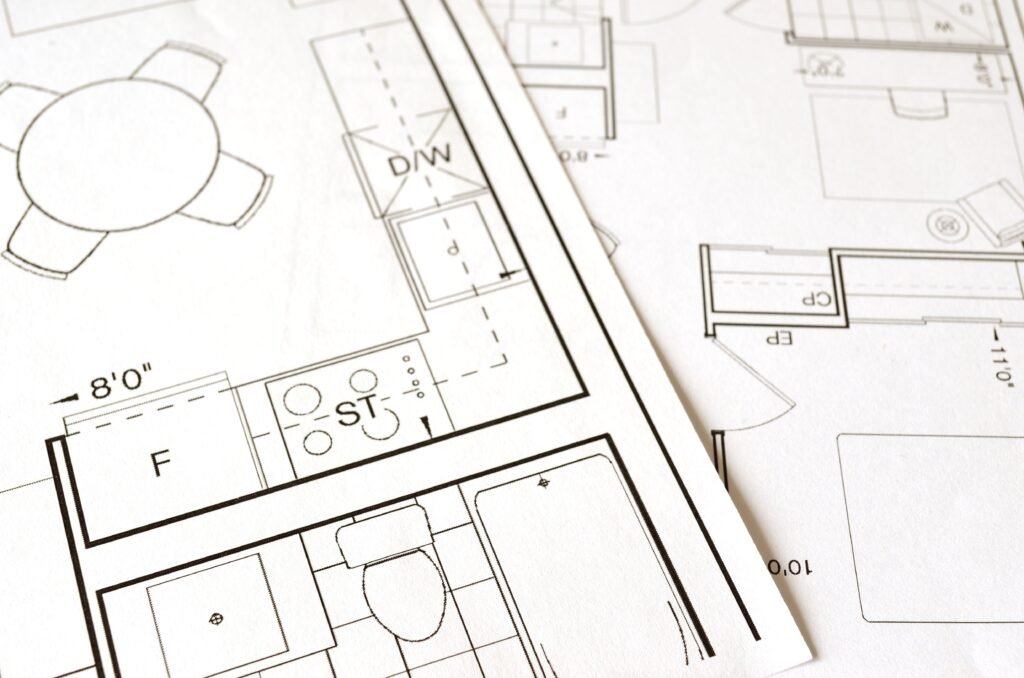
Before a renovation brief is written, the most useful question a hotel owner can ask is not what needs to look better but what needs to work better. These are not always the same list, and the renovation scope that results from each question is substantially different.
A hospitality consulting review of an existing facility before the brief is finalised identifies the operational constraints that are driving underperformance – the kitchen layout that has never supported the outlet’s service pace, the linen cycle that has always been two hours behind the housekeeping schedule, the waste flow that has created a hygiene and compliance exposure since the property opened. These are the findings that should be shaping the renovation scope, not the carpet samples.
Including these findings in the renovation brief does not necessarily mean a larger project. It often means a more precisely targeted one – concentrating spend on the changes that will materially improve how the property operates rather than distributing it across surfaces that look dated but are not limiting performance.
The Operational Disruption That Poor Renovation Sequencing Creates
Hotel renovations almost always happen while the property is at least partially operational. Guests are in rooms. Restaurants are serving. The laundry room is running. The renovation has to work around live operations in a way that a new build never does.
Poor renovation sequencing – where the order of work phases was not planned against the operational calendar – creates disruptions that extend well beyond the physical work. A kitchen renovation timed during peak season forces outsourcing that was never budgeted. A laundry room taken out of service without a contingency plan for linen supply affects room availability. A back-of-house corridor blocked for works cuts off the service route that housekeeping and F&B both depend on.
Sequencing a renovation around the operational reality of a live hotel is not a project management skill alone. It requires an understanding of how the property actually functions day to day – which department depends on which route, which systems cannot be taken offline simultaneously, which phases can overlap without creating a conflict that costs more to resolve than it saved to schedule.
The Renovation That Compounds Rather Than Corrects
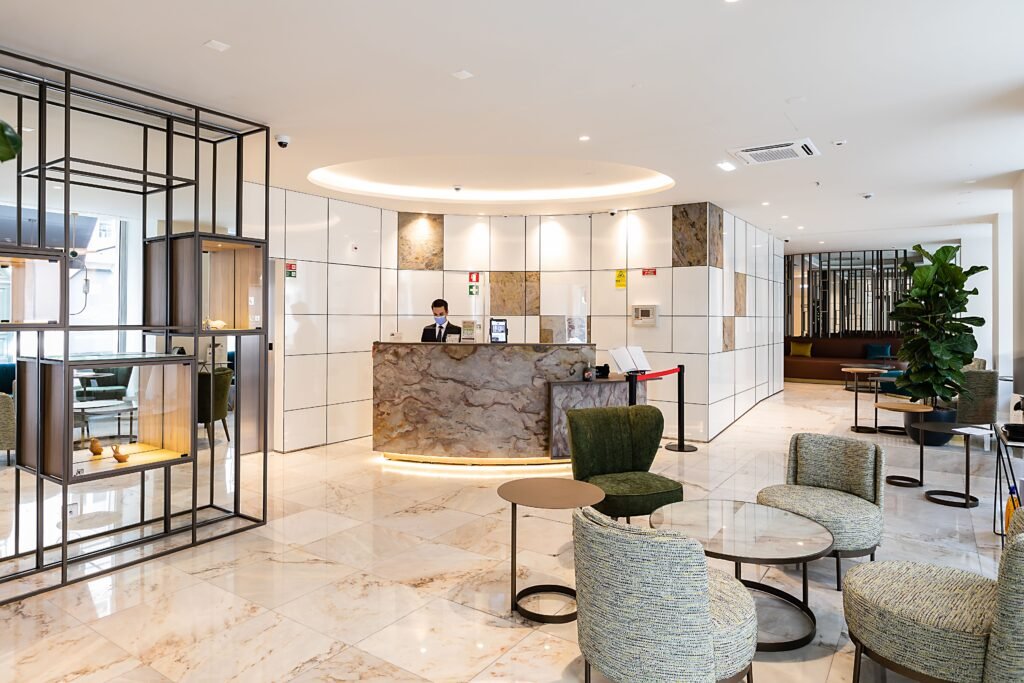
Every renovation that does not address underlying operational problems makes the next renovation more constrained. New flooring goes over an unchanged drainage layout. New kitchen equipment is installed in a layout that was never right. New guest room finishes are applied above a laundry operation that will continue to affect linen quality regardless of how good the thread count is.
Each of these compounds the original problem by adding a layer of intervention that the next team will have to remove before they can reach what they actually need to fix. The renovation investment does not go to waste. But a meaningful share of the next renovation budget will go to undoing it.
A renovation guided by operational input from the start breaks this cycle. It spends on the right things in the right sequence, which means the next renovation starts from a better baseline rather than an inherited set of compromises dressed in newer materials.
Conclusion
Hotel renovations do not fail because the work is done badly. They fail because the scope was written before anyone asked whether the right problems were being solved.
Bringing hospitality consulting into the process before the brief is finalised is not an additional step in the renovation process. It is the step that determines whether the renovation solves the problems that are limiting the property or simply covers them in better materials – leaving the next ownership team to find them again, at greater cost, underneath a fresher set of surfaces.