
Food and beverage operations sit at the heart of the hospitality industry, yet many businesses struggle to maintain consistency, efficiency, and profitability over time. These challenges often arise not from a lack of effort, but from the absence of structured planning and expert guidance. Without clear frameworks and informed decision-making, even well-intentioned operations can become inefficient and difficult to scale. This is where structured hospitality consulting plays a critical role, helping organizations identify gaps and build systems that support long-term performance.
Operational Complexity Without Strategic Direction

Food and beverage operations involve multiple interconnected elements, including kitchen workflows, staffing models, procurement, equipment usage, and service coordination. When these elements evolve without a cohesive strategy, inefficiencies tend to accumulate. Businesses may experience bottlenecks in production, inconsistent service quality, or rising operational costs without a clear understanding of why they occur.
A structured approach guided by hospitality consulting helps bring clarity to these complexities. Consultants analyze how individual components interact within the operation and provide objective insights that internal teams may overlook. This strategic oversight ensures that operational decisions are aligned with broader business objectives rather than being made in isolation.
Design and Layout Decisions Made Without Expert Input
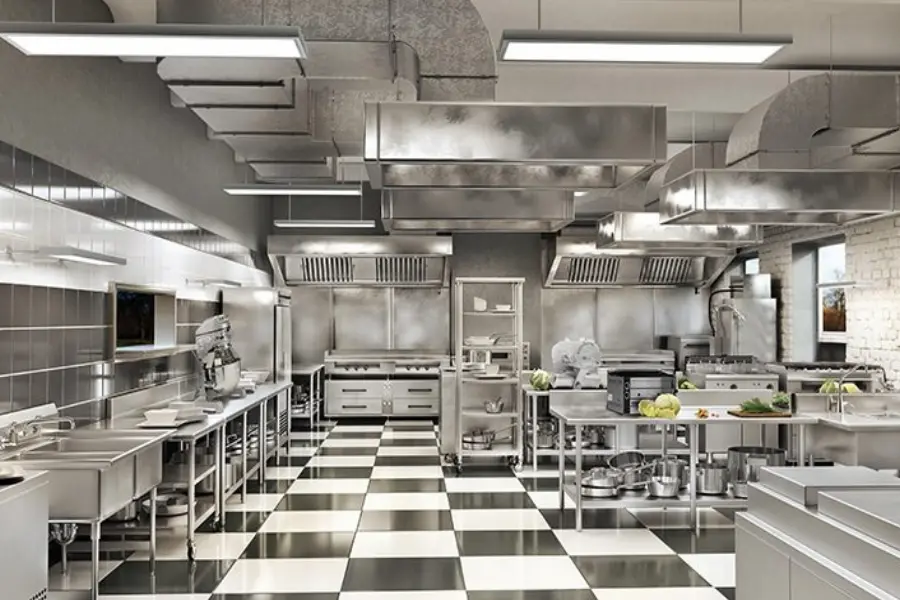
One common reason food and beverage operations struggle is poorly planned facility and kitchen layouts. When design decisions are made without professional evaluation, kitchens may lack adequate storage, logical workflows, or the flexibility required to handle increased demand. Over time, these limitations can restrict productivity and place unnecessary strain on operations.
An experienced food and beverage consultant evaluates layout efficiency, equipment placement, and workflow design to ensure spaces support both current operations and future scalability. Structured consulting input at this stage helps prevent costly redesigns and operational disruptions later on.
Inconsistent Processes and Resource Management

Without standardized processes, food and beverage operations often rely on individual experience rather than documented systems. This can lead to inconsistencies in food quality, service delivery, and inventory control, especially as teams expand or change.
Structured consulting introduces process-driven approaches that bring consistency across operations. From defining standard operating procedures to improving inventory planning and waste management, consultants help organizations establish repeatable systems that support long-term operational stability.
Limited Preparedness for Growth and Change

Many food and beverage businesses struggle because they are not designed to adapt to growth or changing market conditions. Sudden increases in demand, menu expansion, or shifts in customer expectations can expose operational weaknesses.
Working with a food and beverage consultant allows businesses to plan proactively rather than reactively. Consultants support long-term operational planning by aligning infrastructure, staffing, and workflows with projected needs, reducing risk as the business evolves.
Conclusion
Food and beverage operations often struggle when decisions are made without structure, strategic oversight, or expert evaluation. Structured hospitality consulting provides the clarity and planning support needed to address operational challenges effectively. By partnering with an experienced food and beverage consultant such as HPG Consulting, businesses can build well-organized operations that are better equipped for efficiency, scalability, and long-term success.