
In hospitality projects, visual appeal often takes centre stage. Striking interiors, ambient lighting, and curated aesthetics play a key role in attracting guests and shaping first impressions. However, while design may draw people in, it is functionality that sustains operations and ensures long-term success. Poorly planned layouts, inefficient workflows, and overlooked service areas can quickly turn even the most beautiful spaces into operational challenges. This is where hospitality consulting becomes essential, bringing a structured approach that aligns design with real-world functionality, efficiency, and long-term performance.
Functionality Drives Daily Operations

Hospitality spaces are high-performance environments where every second and every movement matters. A visually appealing layout may look impressive on paper, but if it disrupts workflow, it can slow down service, increase staff fatigue, and negatively impact the guest experience.
Spaces are designed with a deep understanding of operational flow. This includes clear zoning, strategic equipment placement, and streamlined staff movement patterns. The result is an environment where teams can operate efficiently, even during peak hours, without compromising on service quality or speed.
The Hidden Costs of Poor Planning
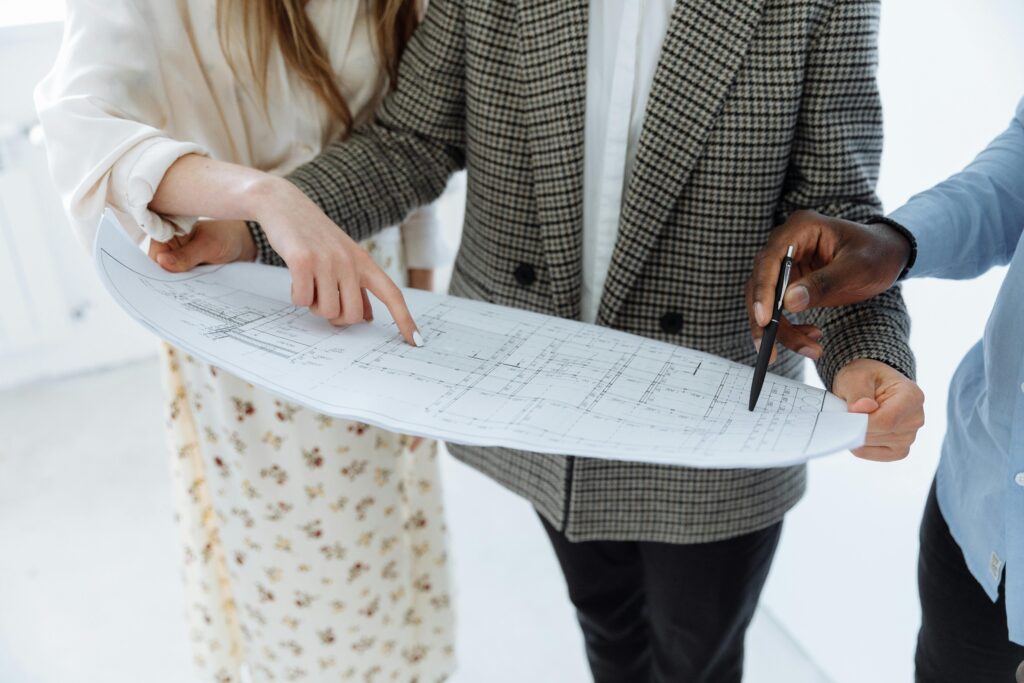
When functionality is overlooked, the consequences often emerge only after operations begin. What initially appears to be a well-designed space can quickly reveal inefficiencies, longer service times, higher labour costs, and frequent operational bottlenecks.
Hospitality consulting helps identify and eliminate these risks at the planning stage itself. By aligning design decisions with practical operational needs, businesses can avoid costly redesigns, reduce downtime, and ensure smoother day-to-day functioning. In the long run, this proactive approach significantly improves both cost control and overall operational stability.
Balancing Design with Practical Efficiency
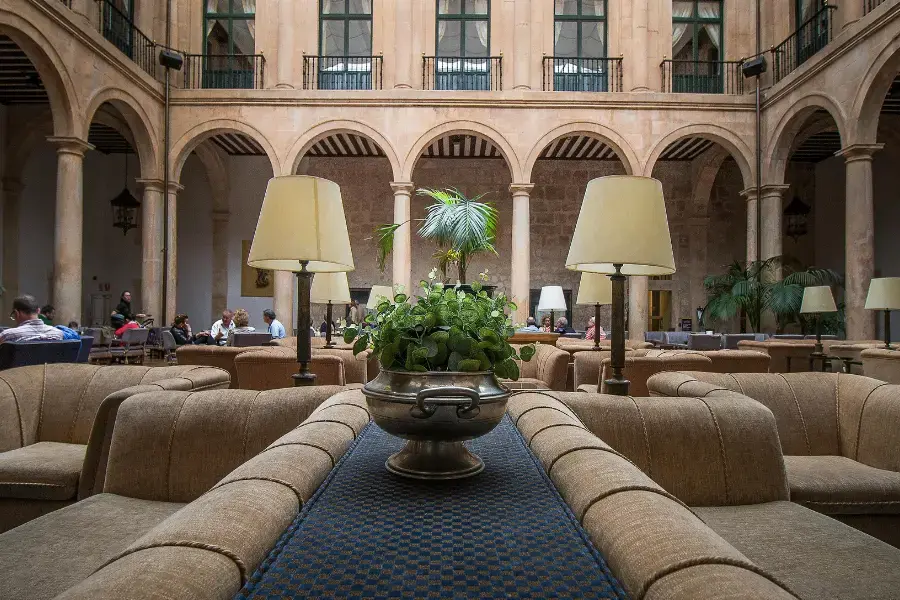
Aesthetic appeal remains an important aspect of hospitality; it defines brand identity and enhances the guest experience. However, it should complement functionality, not compete with it. The most successful hospitality environments are those where design and efficiency work hand in hand.
With the support of hospitality consulting, projects can strike this balance effectively. Operational insights are integrated into the design process, ensuring that spaces are not only visually engaging but also practical and performance-driven. This approach creates environments that feel seamless for both guests and staff.
Supporting Back-of-House Efficiency
Back-of-house areas such as kitchens, storage zones, and service corridors are often overshadowed by guest-facing spaces during the design process. Yet, these areas are critical to the overall efficiency of operations and directly influence service delivery.
Hospitality consulting ensures that these essential spaces are given equal importance. Thoughtful planning reduces unnecessary movement, minimises bottlenecks, and supports a more organised workflow. When back-of-house operations are efficient, the entire hospitality experience becomes more consistent and reliable.
Conclusion

In hospitality, great design goes beyond aesthetics; it is defined by how well a space performs every day. While visual elements create the first impression, it is functionality that drives efficiency, controls costs, and ensures a seamless guest experience over time. Prioritising functional design allows businesses to build spaces that are not only attractive but also operationally resilient and scalable.
This is where expert hospitality consulting adds real value. With a deep understanding of both design and operations, firms like HPG Consulting help translate concepts into practical, high-performing environments. By focusing on efficiency, workflow, and long-term usability, they ensure that every space is built to deliver consistent results. Investing in the right approach to hospitality consulting ultimately means creating hospitality projects that work as well as they look.