
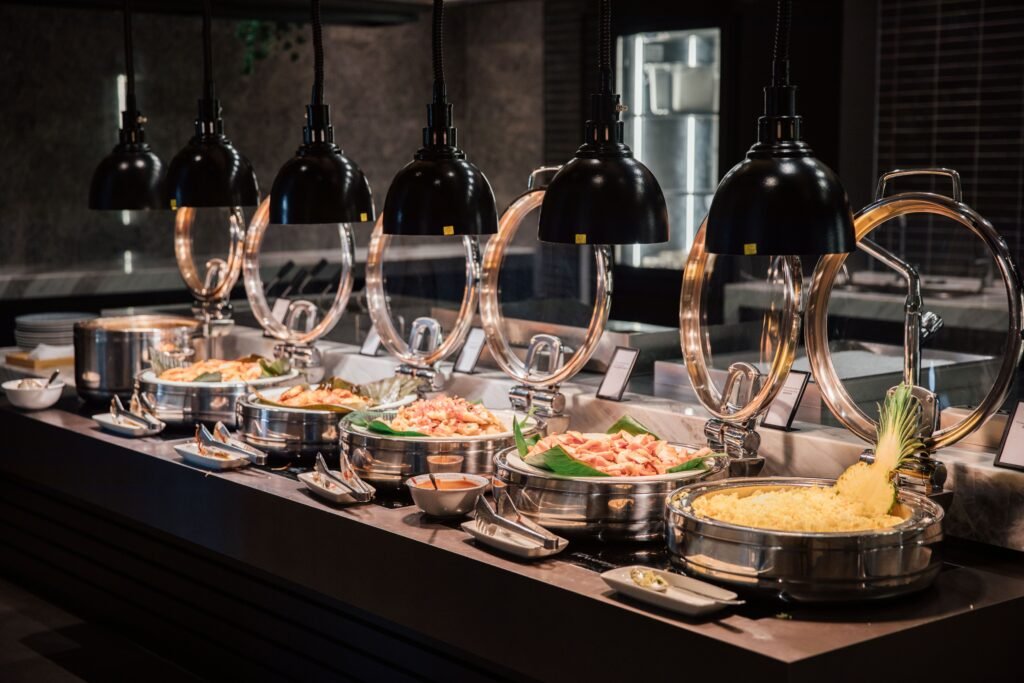
A buffet looks effortless when it is working well. Trays stay full. Temperatures hold. Guests move through at a steady pace and nothing runs out at the wrong moment. The dining area feels calm, almost leisurely.
That calm is an illusion, and a well-engineered one. Behind it is a kitchen producing at a pace and a volume that most single-service restaurants never approach, doing it continuously across a service window that may run for two or three hours without a natural break in demand.
A buffet doesn’t fail in the dining room. It fails in the kitchen that feeds it. Which is exactly why a food and beverage consultant designs the kitchen and the buffet concept together, treating them as one operational system rather than two separate decisions.
The Buffet Is a Continuous Production Line, Not a Single Service
The fundamental difference between buffet service and a la carte is that a buffet never stops. An a la carte kitchen works in defined waves – a table orders, the kitchen produces, the dishes go out. A buffet kitchen produces constantly, replenishing a live spread while managing temperature, quality, and presentation across every item simultaneously.
That distinction has enormous implications for kitchen design. Prep capacity must be sized not for a single service rush but for the full duration of the buffet window. Hot-holding equipment needs to be positioned so that replenishment moves directly from the kitchen to the station without crossing guest traffic or cold prep areas. The cold section has its own separate requirements, its own temperature management, its own replenishment rhythm.
A kitchen designed without these requirements built in will find workarounds. Those workarounds become the permanent operating model, and the buffet runs at a lower standard than it was designed to deliver, every single service.
What a Food and Beverage Consultant Maps Before the Buffet Opens
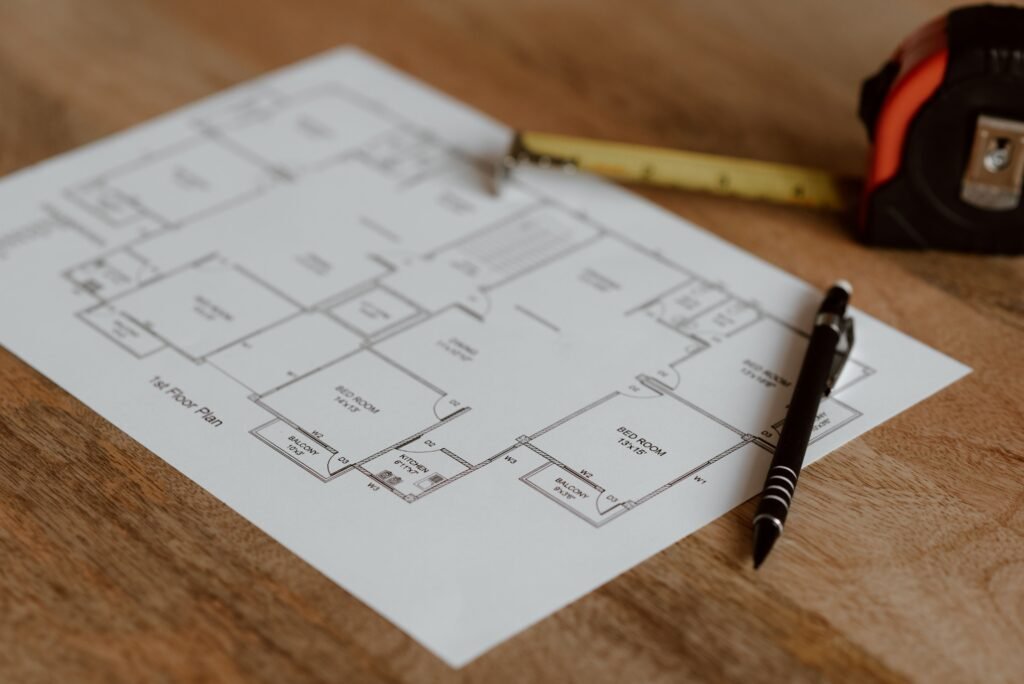
Before a buffet concept is finalised, the kitchen that supports it needs to be mapped against the specific demands of that concept. Not a generic buffet kitchen. This buffet, this menu range, this guest volume, this service window.
A food and beverage consultant works through a set of operational questions that determine how the kitchen needs to be configured. How many hot items are being held simultaneously, and what equipment combination maintains quality across all of them? Where does the replenishment path run, and how does it avoid crossing guest movement? How much prep space does a three-hour breakfast buffet actually require on a morning with full occupancy?
These questions don’t have generic answers. They have answers that are specific to the property, the service model, and the team that will run the operation shift after shift. Getting those answers right before the kitchen is built is what separates a buffet that works from one that just about manages.
Temperature, Timing, and the Guest Experience Nobody Sees
Temperature failure is the most visible way a buffet breaks down in front of a guest. A hot dish that has dropped below serving temperature, a cold section that isn’t cold, a sauce that has skinned over because it was held in the wrong equipment or for too long without replenishment – these are immediate, recoverable failures that leave an impression no apology fully corrects.
What most guests don’t see is that temperature failures in the dining room are almost always caused by something that happened in the kitchen, not at the buffet station itself. Insufficient hot-holding capacity meant the dish spent too long waiting before it reached the counter. A replenishment route that required passing through an unrefrigerated corridor caused a cold item to rise before it was ever served.
Strong kitchen planning builds temperature integrity into the physical design of the space rather than relying on staff to compensate for equipment or layout that was never right for the task.
Scaling Buffet Operations Across Multiple Meal Periods and Occasions
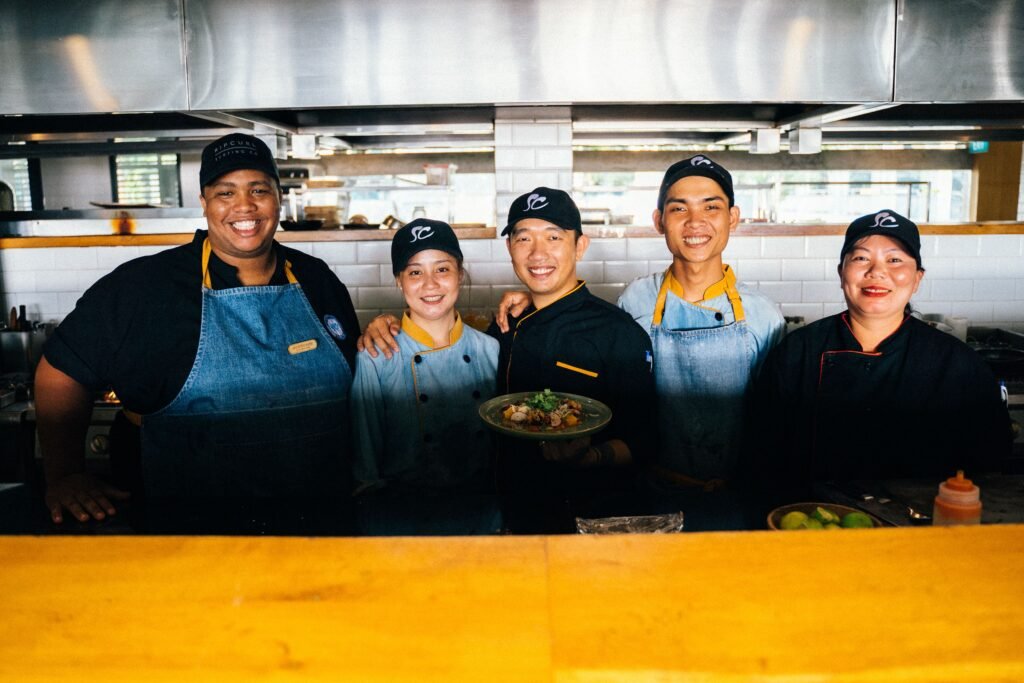
Most hotel kitchens support buffet service across more than one occasion. Breakfast, lunch, a Sunday brunch, a banquet, a corporate breakfast event. Each of these has a different menu range, a different guest volume, and a different production rhythm.
A kitchen designed around a single buffet format struggles to flex across the others. Stations that work perfectly for a weekday breakfast become the wrong shape for a Saturday brunch at twice the volume. Equipment that is sized for a standard service is undersized when a banquet buffet runs alongside it.
This is where the broader perspective that good hospitality consulting brings into the design process earns its return. A kitchen planned with the full range of service occasions in mind, with flexible station configurations and equipment sizing that accounts for peak simultaneous demand, delivers consistently across all of them rather than optimising for one at the expense of the rest.
Conclusion
A smooth buffet service is not a hospitality accident. It is the visible output of a kitchen that was designed to produce at that pace, hold at those temperatures, and replenish on that schedule without strain.
A food and beverage consultant plans that kitchen before the buffet concept is fixed, because the two decisions cannot produce a good outcome unless they are made together. That alignment – between the menu, the kitchen, and the service model – is what hospitality consulting builds, so that the effortless experience the guest sees in the dining room actually has the infrastructure behind it to stay that way.