
Most hotels have bins. Very few hotels have a system.
The difference between the two isn’t a question of effort or intent. It’s a question of design. A bin placed in a kitchen or a corridor collects whatever gets thrown into it. A segregation system determines what goes where before anything reaches a bin at all, and that distinction is where waste stops being just a cost and starts being something a hotel can actually manage.
Wet waste and dry waste behave differently, cost differently to dispose of, and respond to entirely different strategies. A Waste Management Consultant separates the two not because regulations require it, but because the savings that follow make it one of the most financially straightforward changes a hotel can make.

Why Mixing Wet and Dry Waste Is One of the Most Expensive Habits in Hospitality
When wet and dry waste are disposed of together, both streams lose their value. Food waste contaminates recyclable material, making it unrecoverable. Dry waste absorbs moisture from the wet, increasing the total volume and therefore the cost of every disposal run. What could have been two manageable streams becomes one expensive, unsorted problem.
For a hotel operating at scale, this isn’t a minor inefficiency. A property generating significant food waste daily from kitchen operations, F&B service, and banqueting is paying a premium to dispose of recyclable material it threw away because it was never given a separate place to go.
The fix rarely requires new infrastructure. It requires a clear system applied consistently, starting at the point where waste is generated, not at the bin where it ends up.
The Wet Waste Problem: What Hotels Are Actually Throwing Away
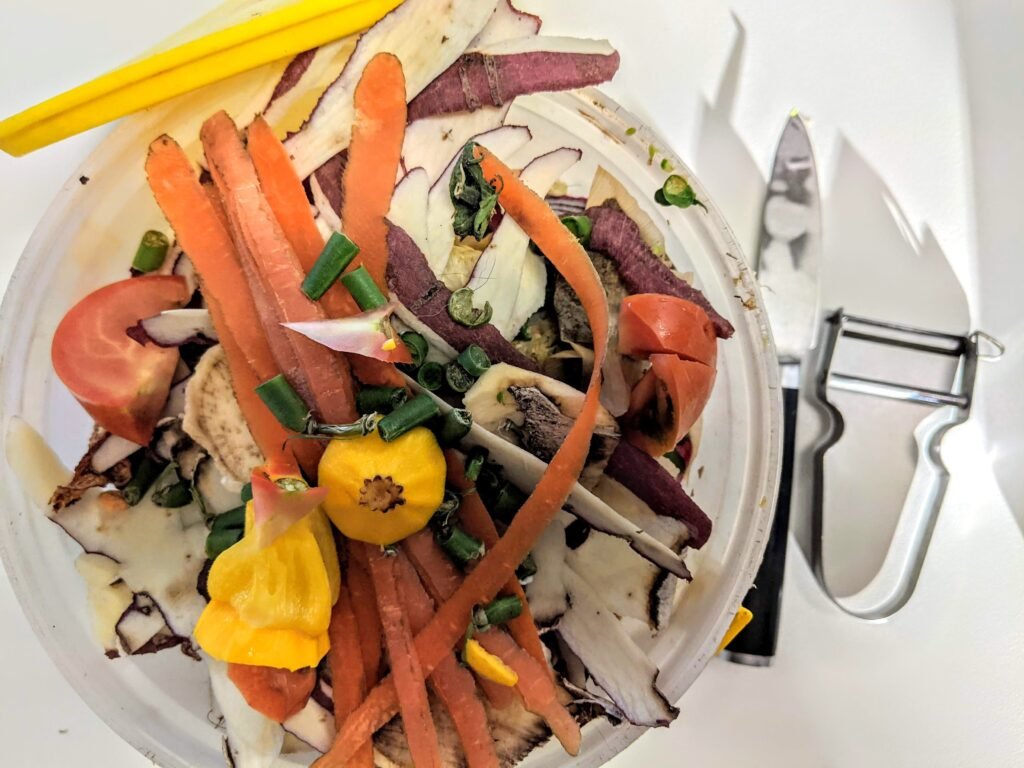
Wet waste in a hotel comes from several sources simultaneously: kitchen prep, plate returns, banqueting leftovers, and F&B service. Each source generates waste at different times and in different volumes, which makes it easy to underestimate how much is being produced before it’s ever measured.
Once wet waste is segregated and measured, two things typically become clear. The volume is higher than most ownership teams expected. And a meaningful share of it traces back to over-ordering, over-preparation, or portioning that was never calibrated against actual demand.
A Waste Management Consultant uses wet waste data not just to reduce disposal costs but to feed back into procurement and kitchen planning, closing the loop between what a hotel buys, what it prepares, and what it ultimately pays to throw away.
Dry Waste Done Right: Turning a Disposal Cost Into a Marginal Return
Dry waste – cardboard, glass, plastics, metals, paper – has recovery value that most hotels never capture because it never gets clean enough to recover.
Contaminated recyclables go to landfill. Clean, segregated recyclables go to a recycler, sometimes at no cost, occasionally at a credit. The financial difference between the two outcomes depends almost entirely on whether the hotel created the conditions for segregation to happen consistently, not occasionally.
That means segregation points placed where dry waste is actually generated, not in a back corner of the loading dock. It means staff who understand why the system works, not just that it exists. And it means a collection schedule aligned with real volumes rather than a generic contractor arrangement that was never reviewed.
Building a Segregation System That Holds Across Every Department

The challenge with waste segregation in hotels isn’t designing the system. It’s making it consistent across departments that operate at different hours, with different team sizes, and under different levels of peak pressure.
A kitchen at full service pace, a housekeeping floor mid-turnaround, and a banqueting team breaking down a large event all generate waste under very different conditions. A segregation strategy that works in the kitchen during a quiet breakfast service may fall apart completely during a Saturday night banquet if it wasn’t designed with that scenario in mind.
This is where the discipline of strong hospitality consulting shapes a better outcome. A system designed around how departments actually operate, with segregation points placed where waste is generated rather than where it’s convenient, is one that staff can follow consistently because it fits the work rather than interrupting it.
Conclusion
Wet waste and dry waste are two different problems with two different solutions. Treating them as one combined disposal stream is what turns a manageable cost into an avoidable one.
A Waste Management Consultant designs segregation strategies that work at department level, not just on paper, converting a routine operational task into a genuine source of savings across disposal costs, compliance standing, and procurement decisions that the waste data eventually shapes.
The hotels that get this right aren’t doing anything extraordinary. They simply built a system where the right bin was in the right place, and the rest of the savings followed naturally – which is precisely what thoughtful hospitality consulting makes possible.