

Food and beverage operations influence more than guest dining experiences. They directly affect profitability, service consistency, workflow efficiency, and brand perception. Even strong hospitality properties struggle when food and beverage systems are not planned properly from the beginning.
This is where a food and beverage consultant becomes important. The role goes beyond menus and kitchen design. It involves creating systems that help hospitality businesses operate efficiently while maintaining quality, consistency, and long-term performance.
Successful hospitality operations are usually built on structured planning, not quick fixes. The difference often comes down to following the right steps before operational problems begin.
Defining the Right Food and Beverage Strategy for the Property
A food and beverage consultant starts by understanding what the property actually needs instead of following industry trends.
A luxury resort, business hotel, heritage property, or destination retreat all require different food and beverage strategies. Guest expectations, service patterns, pricing, and operational capabilities vary significantly.
Without clear positioning, hospitality businesses often struggle with inconsistent menus, mismatched service expectations, and unnecessary operational complexity.
The first step is always alignment. Cuisine direction, service model, outlet mix, and operational practicality need to work together instead of competing against one another.
A strong strategy creates operational clarity and reduces costly corrections later.
Planning Kitchen Operations Before Problems Begin
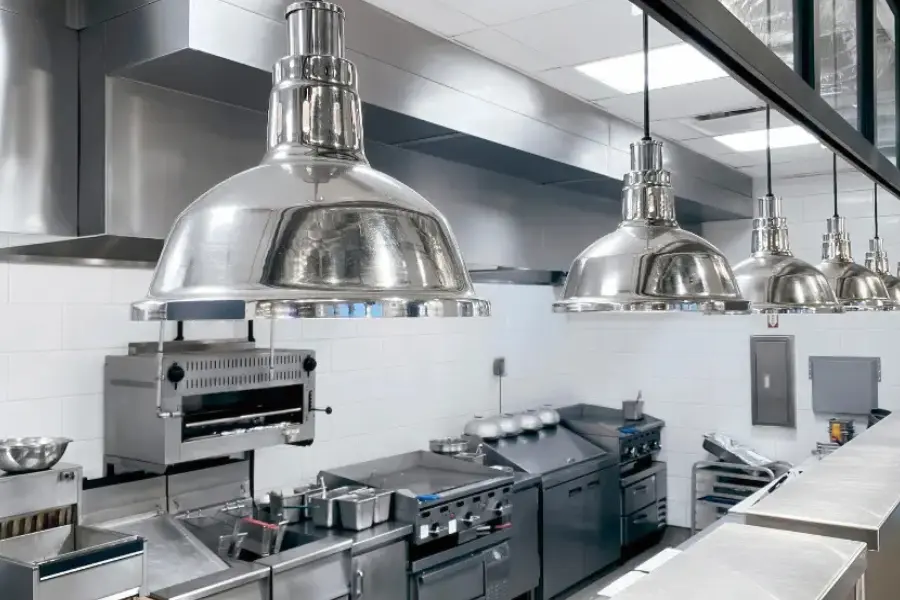
Many hospitality businesses face service delays because operational planning starts too late.
Kitchen efficiency is not just about equipment. It depends on workflow, movement, storage, and how smoothly teams operate during pressure. Poor planning creates bottlenecks that affect preparation time, food quality, and service speed.
This is where commercial kitchen planning becomes critical. Equipment placement, preparation zones, and staff movement directly impact how well food operations perform every day.
When kitchens are planned correctly, teams spend less time adjusting to inefficiencies and more time maintaining consistency.
Building Menus That Support Operations and Profitability
A food and beverage consultant understands that bigger menus do not always create better results.
Many hospitality businesses overcomplicate food operations by adding excessive menu variety without considering execution. Large menus increase waste, inventory pressure, training complexity, and inconsistencies in quality.
Successful food operations usually focus on balance. Menus should match guest expectations while remaining practical for the kitchen to execute consistently.
Cost control systems also matter here. Ingredient planning, supplier coordination, portion management, and menu engineering all contribute to healthier operational performance.
A profitable food operation is not created through pricing alone. It is created through better planning.
Creating Systems That Keep Daily Operations Consistent

Food quality matters, but consistency is what builds trust.
A food and beverage consultant helps hospitality businesses create systems that maintain service standards during both regular operations and busy periods. Without clear workflows, service quality changes between shifts, departments lose coordination, and guest experience becomes inconsistent.
Staff responsibilities, communication methods, preparation timing, and SOPs all need to function together.
Many operational issues are not caused by poor teams. They happen because teams are forced to work inside weak systems.
Understanding what makes layouts function efficiently in real hospitality environments is equally important. This is why operational planning should align with principles discussed in food and beverage consultant workflows that support daily performance.
Conclusion
Hospitality success in food and beverage operations rarely happens by chance. It comes from planning systems that support consistency, operational efficiency, profitability, and guest satisfaction from the beginning.
A food and beverage consultant helps hospitality businesses build stronger foundations before inefficiencies turn into long-term operational problems.
When strategy, kitchen flow, menu structure, and service systems work together, hospitality businesses create experiences that are easier to manage and stronger in performance over time.