
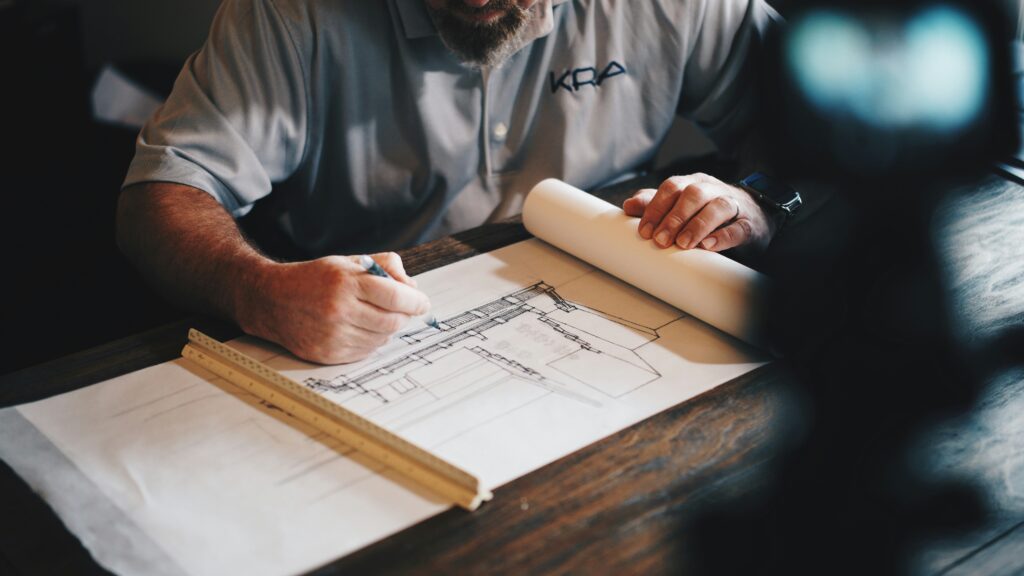
By the time a hotel opens its doors, most of its biggest problems were already decided months earlier. Not on opening day. Not during staff training. On the drawing board, before a single wall went up.
Owners often walk into construction focused on design, branding, and timelines. Architects handle the structure, interior designers handle the look, and operations get treated as something to figure out later.
That gap is exactly where hospitality consulting needs to enter, before the first brick is laid, not after the first guest complaint. Here’s what every hotel owner should be demanding on the checklist long before construction begins.
Operational Flow Before Architectural Drawings
A floor plan can look impressive on paper and still fail the moment real operations begin.
Kitchens placed too far from service areas slow down every order. Housekeeping routes that cross guest pathways create friction owners never anticipated. Loading docks positioned without thought to daily delivery volume turn into daily bottlenecks.
Strong hospitality consulting maps how staff and guests will actually move through a property, then works backward into the architecture. That sequence, operations first, design second, is what separates hotels that run smoothly from ones that fight their own layout for years.
Back-of-House Planning That Matches Front-of-House Ambition
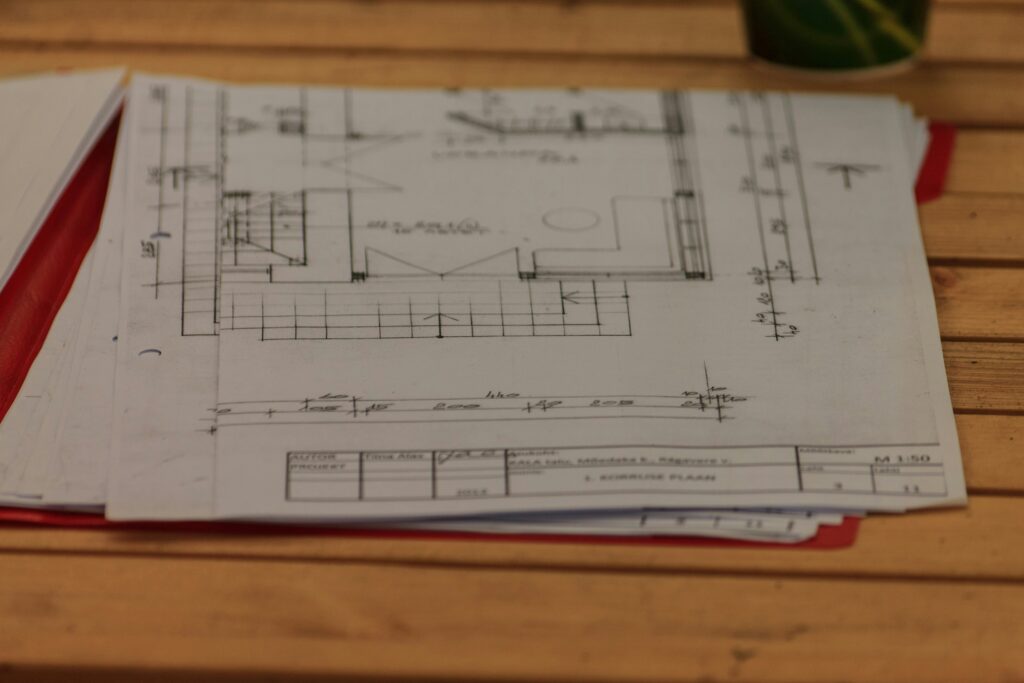
Most pre-construction conversations revolve around lobbies, rooms, and guest-facing spaces. Back-of-house planning, the kitchens, laundry, and storage that keep a hotel running, often gets squeezed into whatever space is left over.
That trade-off rarely shows up in the budget. It shows up later, in slow service, staff overtime, and equipment that never quite fits the space it was designed around.
A pre-construction checklist worth following gives back-of-house functionality the same weight as front-of-house design, because guests notice the difference even when they can’t see the kitchen.
Utility and Infrastructure Planning, Before It Becomes Expensive
Electrical loads, ventilation, water supply, and drainage rarely make it into early design conversations, yet they decide whether a kitchen, laundry, or waste system will function at all.
Retrofitting these systems after construction is one of the most expensive mistakes a hotel owner can make. Walls come down that were never meant to. Timelines stretch. Budgets that looked comfortable on paper get eaten alive by change orders.
A proper checklist forces these questions early, when adjustments cost a conversation instead of a renovation.
Compliance and Future-Proofing From Day One

Fire safety codes, hygiene standards, accessibility requirements, and waste regulations all carry real weight in hospitality projects, and they tend to change faster than most ownership teams track.
A property built to just pass today’s inspection often struggles to meet tomorrow’s. Ceiling heights, exhaust systems, and segregation points that were never sized for growth become permanent limitations rather than temporary ones.
Experienced hospitality consulting builds in this headroom from the start, so compliance doesn’t become a recurring renovation project every time standards shift.
The Checklist, In Short
Before signing off on construction, every hotel owner should be able to answer these without hesitation:
1. Has operational flow been mapped before the architectural layout was finalized?
2. Does back-of-house space match the scale of front-of-house ambition?
3. Have utility loads been sized for real operations, not just blueprints?
4. Does the design leave room for tightening compliance standards?
5. Has a consulting team reviewed the plan before, not after, construction begins?
Conclusion
A hotel’s biggest construction mistakes are rarely visible until operations begin, and by then, fixing them costs far more than preventing them ever would have.
That’s the real value of bringing hospitality consulting in before construction starts. It isn’t about adding another approval step. It’s about making sure the property that gets built is the one that can actually run the way it was designed to.
The owners who demand this checklist early are the ones who spend far less time fixing their hotel after it opens.