
Sustainability has become a critical priority in the hospitality industry, driven by increasing environmental awareness and regulatory expectations. From food waste to packaging and resource consumption, hospitality businesses generate significant waste that must be managed responsibly. Implementing structured and sustainable systems not only reduces environmental impact but also improves operational efficiency and cost control. This is where the role of a waste management consultant, supported by broader hospitality consulting, becomes essential in designing practical and scalable solutions. A well-executed waste management strategy can also enhance brand reputation and align businesses with evolving sustainability standards.

Understanding Waste Streams in Hospitality Operations
Effective waste management begins with identifying and categorizing the different types of waste generated within a property. These typically include organic waste, recyclables such as glass and plastic, and general or non-recyclable waste. Without proper segregation at the source, recycling efforts become inefficient and costly. Establishing clear waste streams allows businesses to handle disposal more responsibly while improving overall operational clarity. This also enables better tracking of waste generation patterns, helping identify areas for improvement.
Reducing Food Waste Through Operational Efficiency
Food waste is one of the largest contributors to inefficiency in hospitality operations. Factors such as overproduction, improper storage, and inaccurate demand forecasting often lead to unnecessary waste. Implementing practices like portion control, better inventory management, and menu planning can significantly reduce waste levels. A waste management consultant can further evaluate operational gaps and recommend targeted improvements that balance sustainability with cost efficiency.
Implementing Segregation and Recycling Systems

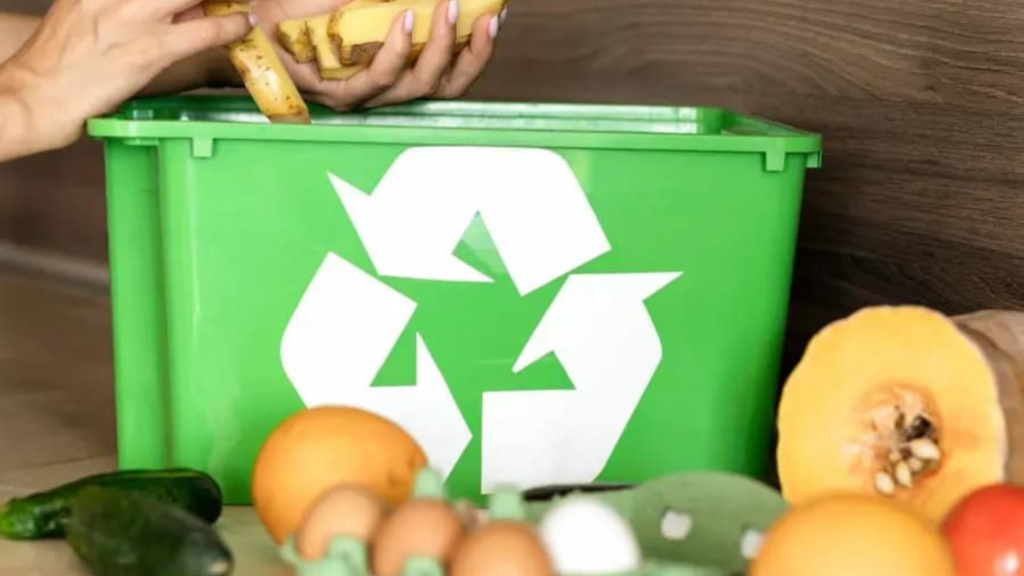
Segregation at the source is a fundamental principle of sustainable waste management. Clearly defined processes for separating biodegradable, recyclable, and non-recyclable waste ensure higher recovery rates and more efficient disposal. Integrating recycling systems into daily operations not only reduces environmental impact but also supports compliance with local waste management regulations, which are becoming increasingly stringent across many regions. Clear signage and accessible disposal points can further improve adherence to these systems.
Leveraging Sustainable Disposal and Partnerships
Hospitality businesses must also look beyond internal processes and collaborate with certified waste handlers, recyclers, and composting facilities. Responsible disposal methods, such as composting organic waste or recycling materials, contribute to a more circular and sustainable system. A structured approach, often guided by consulting, ensures that partnerships are reliable, compliant, and aligned with long-term sustainability goals.
Training and Accountability Across Teams
Sustainable waste management requires consistent execution, which can only be achieved through staff awareness and accountability. Training programs, clear standard operating procedures, and regular monitoring ensure that waste management practices are followed effectively. Creating a culture of responsibility among staff helps maintain long-term sustainability efforts and ensures that systems remain effective over time. Regular audits and performance reviews can further strengthen accountability across teams.
Conclusion
Integrating sustainable waste management practices into hospitality operations is essential for improving efficiency, reducing costs, and minimizing environmental impact. With the right expertise and a structured approach, businesses can implement systems that are both practical and future-ready. At HPG Consulting, these strategies are delivered through a comprehensive hospitality consulting approach, helping hospitality brands operate more sustainably while maintaining high standards of performance and operational excellence.