
A well-designed kitchen isn’t just about where things are placed; it’s about how work actually flows. In high-pressure hospitality environments, even a few extra steps, a misplaced station, or overlapping movement can slow everything down. This is where micro-zoning changes the game. Instead of looking at the kitchen as one large space, it breaks it down into smaller, highly efficient zones designed around specific tasks. A skilled Kitchen Consultant understands that productivity isn’t created by space alone, but by how intelligently that space is used. And within the broader scope of hospitality consulting, this level of detail often makes the difference between a functional kitchen and a high-performing one.
What Is Micro-Zoning, and Why Does It Matter?
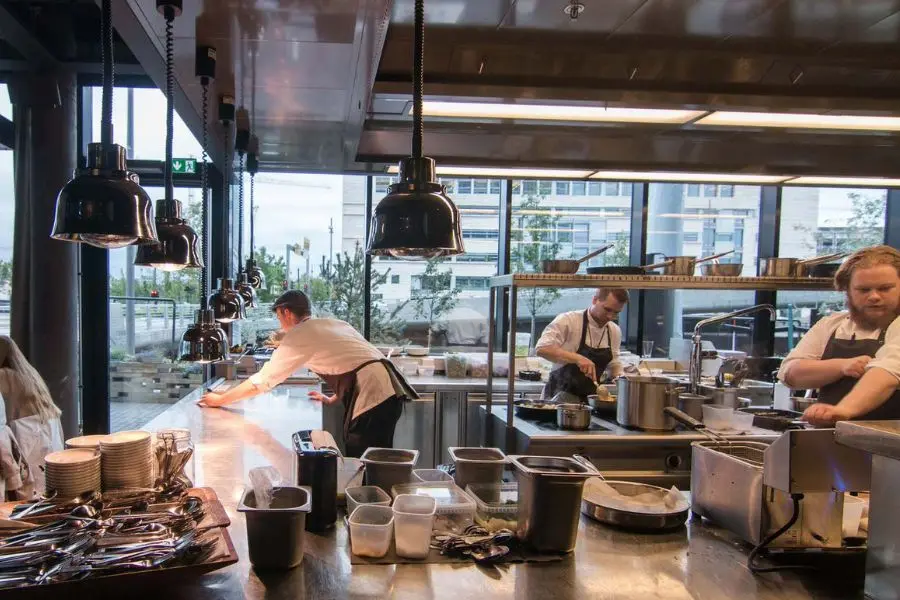
Micro-zoning is the process of dividing a kitchen into tightly defined work areas, each designed for a specific function: prep, cooking, plating, cleaning, or storage. Unlike traditional layouts that focus on overall sections, micro-zoning goes deeper into how tasks are performed within those sections.
This approach reduces unnecessary movement and ensures that everything a chef needs is within immediate reach. A Kitchen Consultant doesn’t just allocate space; they study workflows, peak-hour pressure, and team dynamics to create zones that support real-time operations. This level of planning ensures that kitchens are designed for efficiency from day one, rather than being adjusted later through trial and error.
Reducing Movement, Increasing Speed
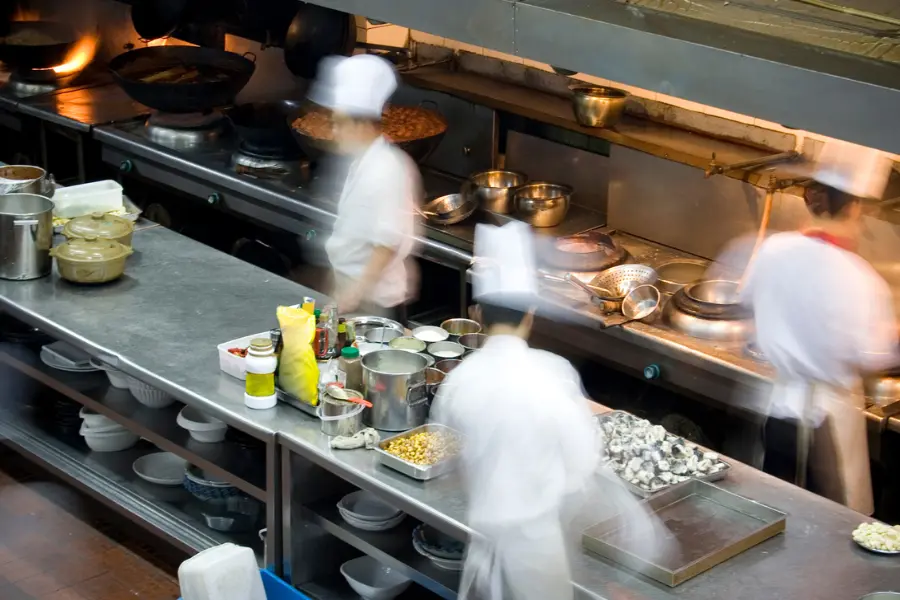
In a busy kitchen, time is often lost not in cooking, but in movement: walking between stations, reaching for tools, or navigating around other staff. Micro-zoning addresses this by creating compact, self-sufficient work areas where tasks can be completed with minimal movement.
When chefs operate within clearly defined zones, service becomes faster and more consistent. Orders move smoothly from prep to plating without unnecessary delays.
Minimising Errors and Enhancing Coordination
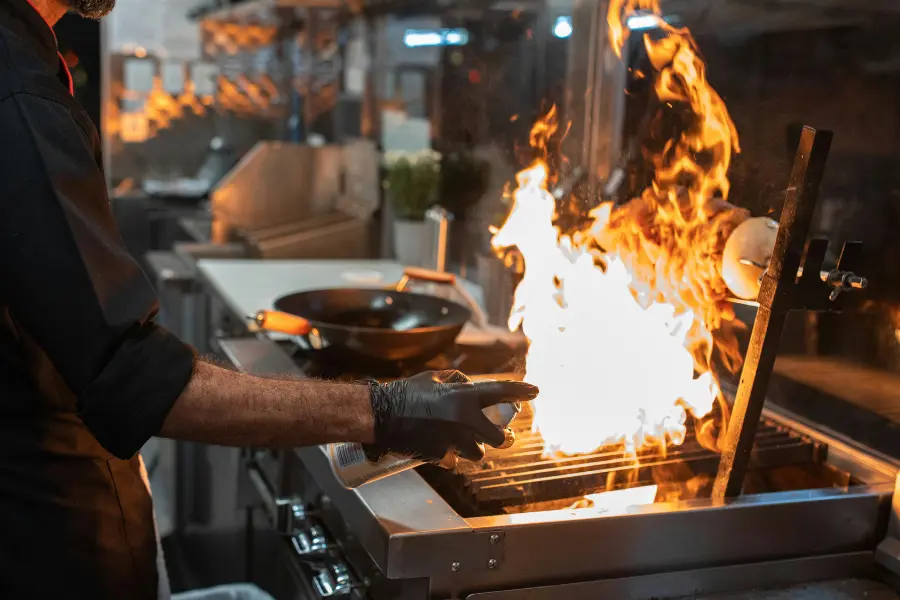
Crowded kitchens often lead to confusion, overlapping responsibilities, miscommunication, and mistakes during peak hours. Micro-zoning introduces clarity. Each team member knows their exact space, role, and responsibility.
This structured approach improves coordination, especially during high-volume service. When zones are clearly defined, teams operate with greater focus and fewer interruptions. A Kitchen Consultant designs these zones to match the rhythm of the kitchen, ensuring that every movement is intentional.
Designing for Real-World Pressure, Not Just Plans

Many kitchen designs look efficient on paper but fail under real-world conditions. Micro-zoning addresses this by prioritising how kitchens function during peak hours, not just during planning stages.
It considers factors like simultaneous orders, staff interaction, and turnaround time. A Kitchen Consultant brings practical, on-ground understanding into the design process, ensuring that the kitchen performs under pressure. This approach ensures that operational efficiency is built into the design, not added later as a fix.
Conclusion
Kitchen productivity is not defined by size or equipment alone; it is shaped by how effectively space is organised and used. Micro-zoning shifts the focus from broad layouts to precise, functional design, creating kitchens that support speed, accuracy, and teamwork. In an industry where every second matters, this level of detail becomes essential. With the expertise of a Kitchen Consultant and a strategic hospitality consulting approach, kitchens can be transformed into spaces that don’t just operate, but perform at their highest potential.