
Laundry operations are often treated as a back-end function in hospitality projects, yet they play a critical role in maintaining service quality and operational efficiency. From hotels and resorts to healthcare and large institutional facilities, inefficient laundry planning can lead to higher costs, workflow disruptions, and service delays. Strategic facility planning supported through hospitality consulting ensures that laundry operations are designed to function efficiently, reliably, and at scale.
The Importance of Laundry Planning in Hospitality Facilities
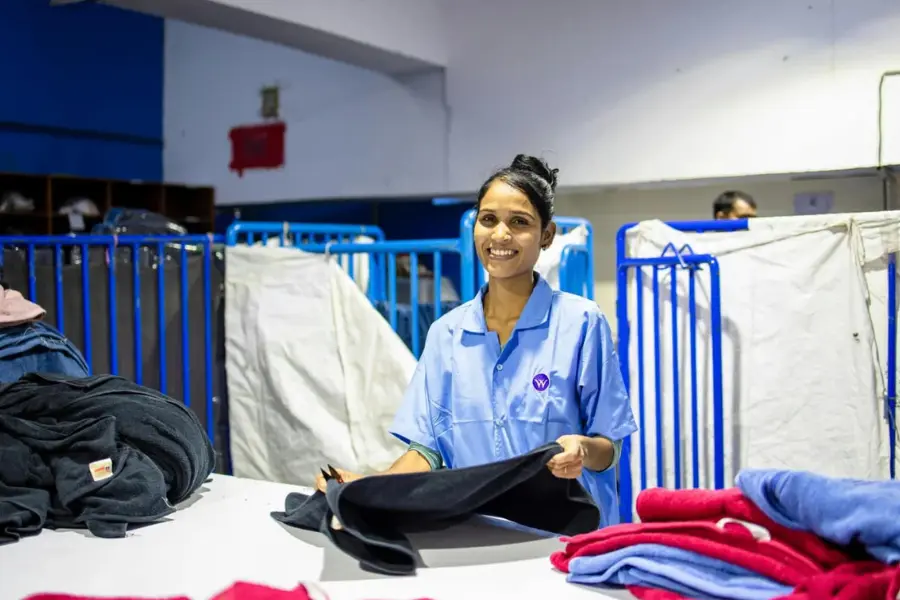
Laundry facilities handle high volumes daily and operate under tight turnaround times. Poor planning can result in congestion, excessive manual handling, and equipment inefficiencies. When laundry areas are designed as an afterthought, operational issues quickly surface. Thoughtful facility planning ensures that laundry spaces are integrated into the overall project design, supporting smooth operations without disrupting other departments.
Workflow Design and Operational Efficiency
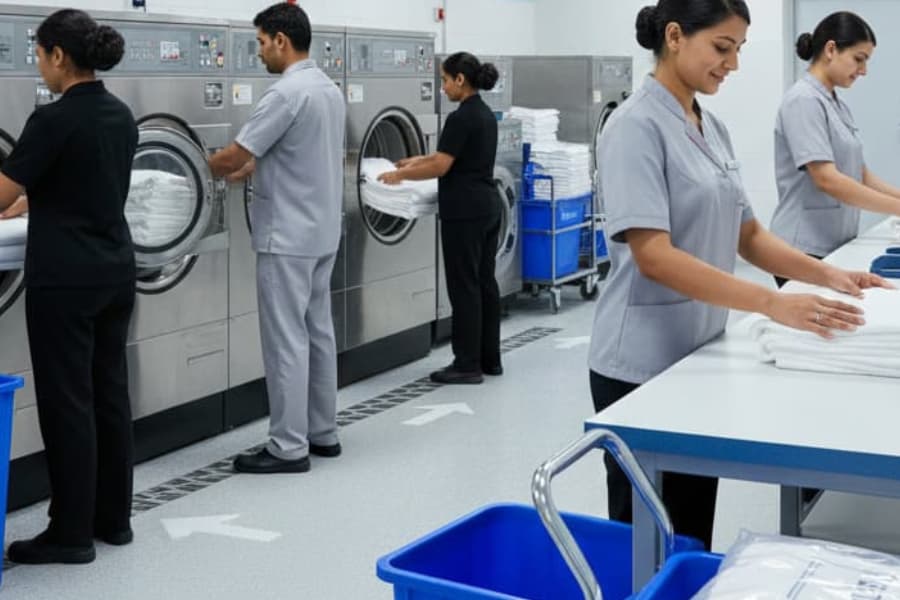
Efficient laundry operations depend heavily on clear workflow design. Linen movement, from collection and sorting to washing, drying, folding, and dispatch, must follow a logical sequence. A well-executed laundry designs and planning reduce cross-movement, minimize handling time, and prevent contamination between clean and soiled linen. A structured workflow not only improves speed but also enhances hygiene and safety standards across the facility.
Equipment Placement and Space Optimization
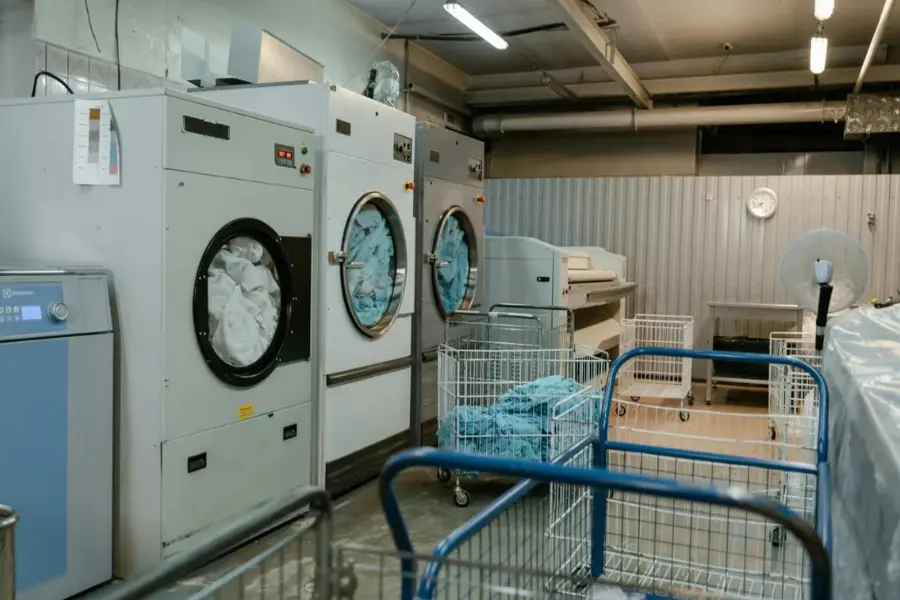
Equipment selection and placement significantly impact laundry efficiency. Oversized machines waste energy and space, while undersized setups struggle to meet demand. Through strategic laundry designs and planning, equipment is selected based on volume, peak load requirements, and operational cycles. Proper spacing between machines, adequate ventilation, and ergonomic access allow staff to work efficiently while reducing equipment downtime and maintenance challenges.
Staff Productivity and Labor Cost Control

Laundry operations are labor-intensive, making staff productivity a key concern. Poor layouts often force staff to walk long distances or repeat unnecessary steps, increasing fatigue and labor costs. Strategic consulting focuses on designing layouts that support staff movement, reduce physical strain, and simplify daily tasks. When laundry facilities are designed around how teams actually work, productivity improves and labor costs remain controlled.
Integration With Overall Facility Planning

Laundry efficiency does not exist in isolation. Its location within the facility impacts logistics, service speed, and operational coordination. Poor placement can lead to delays in linen delivery and increased transportation effort. Through integrated facility planning supported by hospitality consulting, laundry areas are positioned to balance accessibility, noise control, and operational convenience. This holistic approach ensures laundry operations support, rather than hinder, overall facility performance.
Supporting Scalability and Long-Term Operations
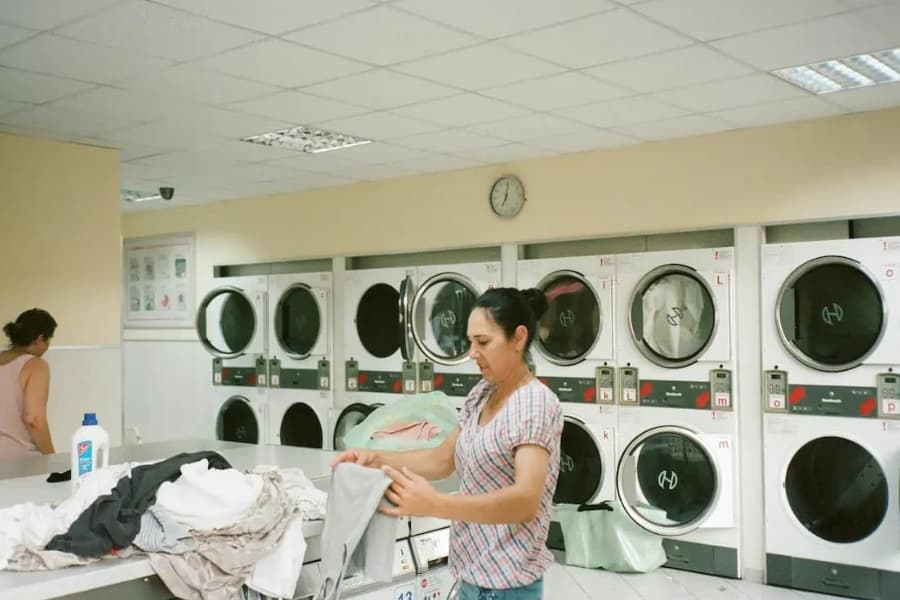
Hospitality projects often evolve over time, with changes in occupancy, service offerings, or operational scale. Laundry facilities that are not designed with flexibility struggle to adapt. Strategic laundry designs and planning incorporate scalability into the layout, allowing for equipment upgrades or increased capacity without major redesigns. This future-ready approach protects long-term operational efficiency and investment value.
Conclusion
Laundry efficiency is a direct outcome of smart facility planning and operational foresight. When supported by expert hospitality consulting, hospitality projects can design laundry facilities that are efficient, scalable, and aligned with service demands. Thoughtful planning reduce costs, improve staff productivity, and ensure consistent service delivery. With its experience in integrated facility planning, HPG Consulting helps hospitality projects build laundry operations that perform reliably today and remain adaptable for the future.