
Waste segregation in hospitality often looks straightforward on paper: separate bins, clear labels, defined processes. But in reality, it’s one of the most commonly overlooked operational challenges. When systems are not designed for real-time usage, they break down quickly, leading to inefficiencies, hygiene issues, and increased costs. This is where the role of a Waste Management Consultant becomes critical. Instead of creating theoretical systems, the focus shifts to designing solutions that teams can actually follow, even during peak operational pressure. Within the larger scope of hospitality consulting, effective waste management is not just about compliance; it’s about building systems that work consistently, every single day.
Why Most Waste Segregation Systems Fail
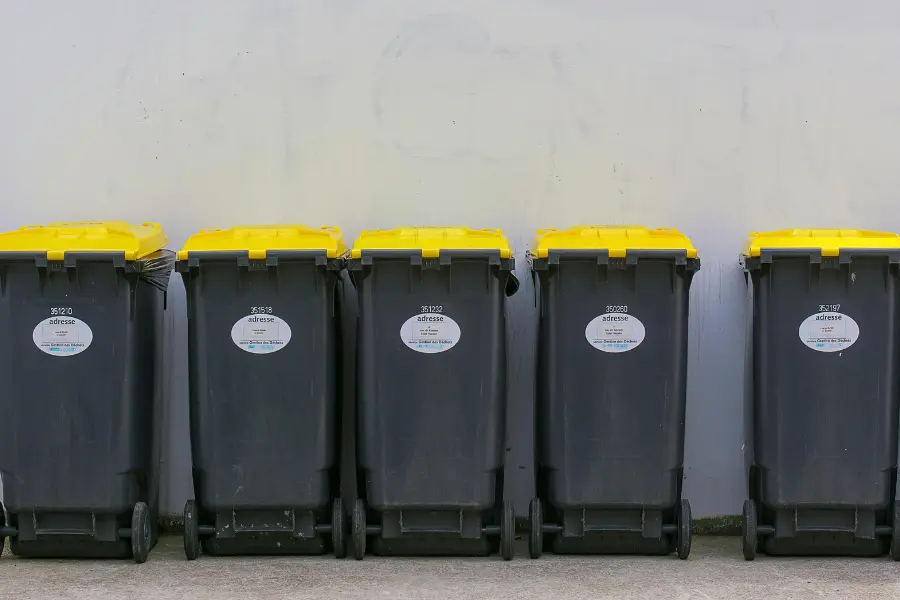
The problem is rarely intent; it’s execution. In busy kitchens and service areas, staff don’t have the time to interpret complicated systems. If bins are not placed logically, if categories are unclear, or if processes require extra effort, segregation simply doesn’t happen.
A Waste Management Consultant looks beyond standard practices and studies how teams interact with their environment. The goal is to remove friction, making segregation intuitive rather than forced. Within hospitality consulting, this approach ensures that sustainability efforts are integrated into daily operations instead of becoming an additional burden.
Making Segregation Easy to Follow

The most effective waste systems are built around human behaviour. Where do staff naturally dispose of waste? At what points during service does waste accumulate the most? These insights shape the placement, size, and type of segregation units.
A Waste Management Consultant focuses on creating systems that align with these patterns. Instead of expecting staff to adapt, the system adapts to them. This might mean placing multiple smaller bins across workstations or simplifying segregation categories to match real-world usage.
When design reflects behaviour, compliance becomes effortless, not enforced.
Where You Place It Changes Everything
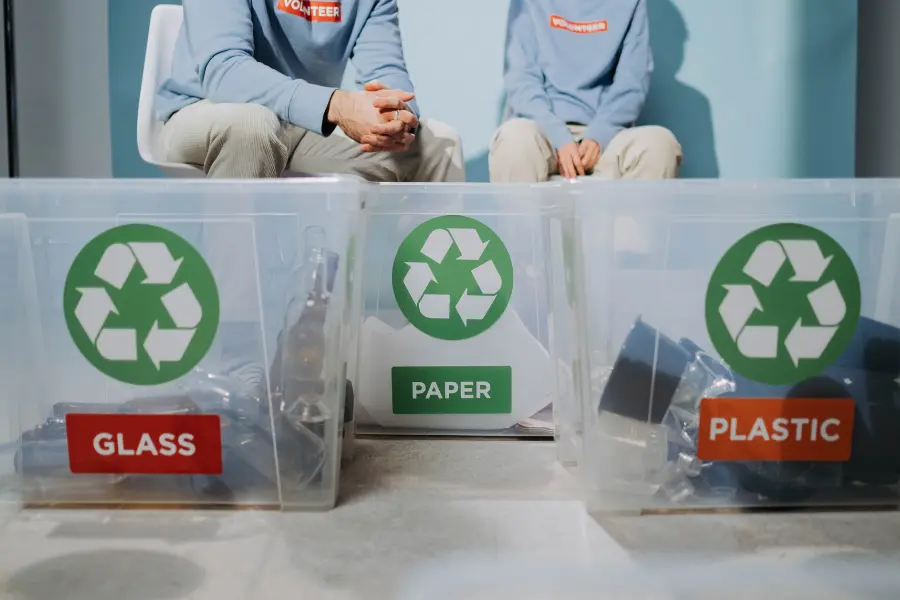
Even the best-designed segregation system fails if it disrupts workflow. Waste disposal points must be positioned in a way that complements movement, not interrupts it.
In high-functioning environments, waste stations are integrated into existing workflows, close to prep areas, aligned with kitchen stations, and accessible without creating congestion. It should be ensured that waste flows in the same direction as operations, reducing unnecessary movement and confusion.
From Segregation to Accountability
Design alone is not enough. For a waste system to truly work, it must create a sense of ownership. Clear visual cues, minimal but effective training, and simple monitoring systems help reinforce correct practices without overwhelming the team.
A Waste Management Consultant often incorporates practical elements like colour coding, intuitive signage, and easy-to-follow processes that can be understood at a glance. The idea is not to complicate, but to simplify, so that even new staff can follow the system without confusion.
Over time, this creates consistency, turning waste segregation into a habit rather than a task.
Conclusion
Effective waste segregation is not about adding more bins or stricter rules; it’s about designing systems that fit seamlessly into daily operations. When done right, it improves efficiency, reduces costs, and supports sustainability without disrupting workflow. In a fast-paced hospitality environment, practicality always wins over theory. With the expertise of a Waste Management Consultant and a well-integrated hospitality consulting approach, waste management becomes less of a challenge and more of a natural extension of how a space functions.