
Walk through the lobby of a great hotel and it feels effortless. The staff are composed. Requests get handled before they need to be made. Rooms are ready when they should be, food arrives when it’s supposed to, and nothing about the operation ever feels like it’s being held together under pressure.
None of that starts in the lobby. It starts in the spaces guests are never allowed to see.
The hotels that consistently deliver that kind of seamless experience make one decision differently from the rest: they let back-of-house lead. And they bring in hospitality consulting early enough to make that possible, before the architecture locks them out of any other choice.
The Lobby Is a Promise. Back-of-House Is What Keeps It.
Hotel design conversations almost always begin with guest experience. What does the entrance feel like? How do guests move from check-in to their room? What does the dining space communicate about the brand?
These are legitimate questions. But they’re only half the picture. A lobby makes a promise to a guest, and back-of-house is the infrastructure that decides whether that promise can actually be kept, shift after shift, season after season.
When back-of-house is treated as secondary, what gets built is a beautiful front end running on an undersized engine. Guests eventually feel the gap, not in anything they can see, but in the small failures of timing and consistency that never quite go away.
What Gets Locked In During Construction, and What Gets Left Out
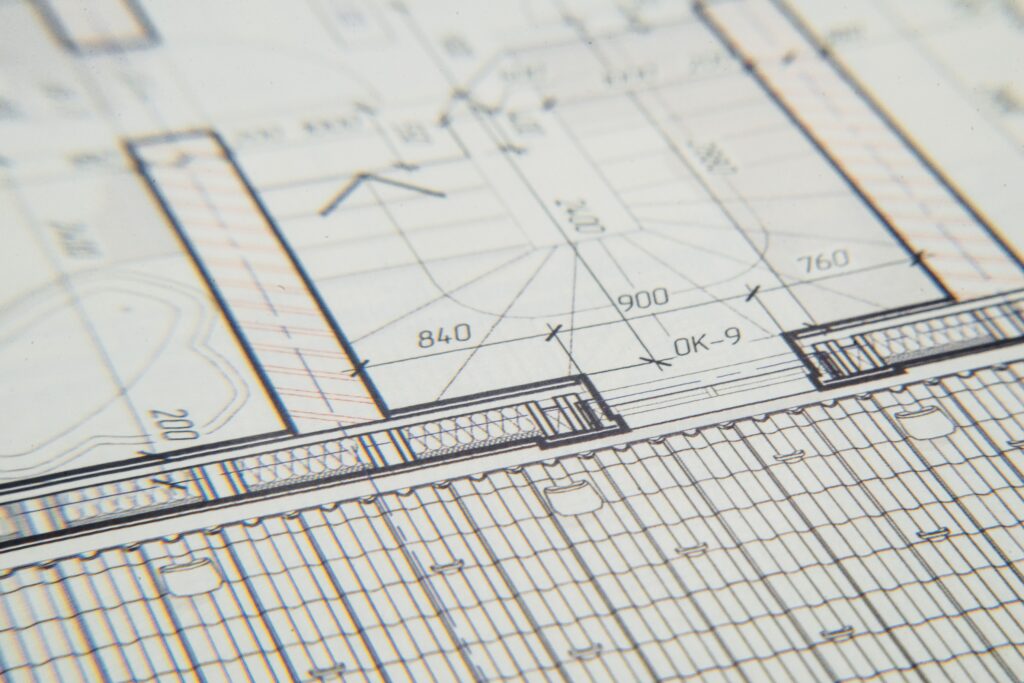
Once walls go up, options close. A kitchen positioned too far from the dining room stays that way. A service corridor too narrow for a loaded trolley will create friction for the entire life of the building. A laundry room sized for current occupancy and nothing more will require outsourcing the moment business grows.
These aren’t renovation problems. They’re planning decisions made too late, when back-of-house was an afterthought rather than a starting point.
This is precisely where experienced hospitality consulting earns its value most directly. By mapping operational needs first, before structural decisions get finalised, consultants preserve options that disappear the moment construction begins.
Staff Movement Is the Invisible Operating Cost Nobody Plans For
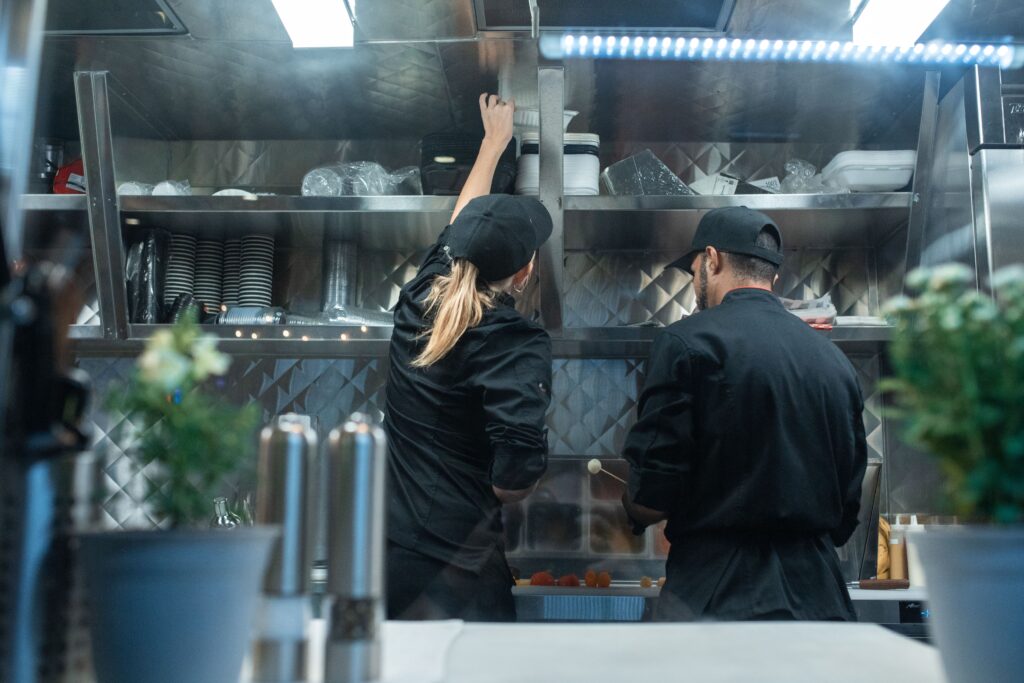
Back-of-house layout directly controls how far staff walk, how many times they cross each other’s paths, and how long it takes to move linen, food, waste, or supplies from one part of the property to another.
In a poorly planned property, these inefficiencies are absorbed invisibly into labor cost and service time. Rooms take longer to turn. Kitchen output slows at the wrong moment. Staff fatigue compounds across a shift in ways that show up in guest reviews rather than on a floor plan.
A back-of-house planned around actual workflow, with clear separation between clean and dirty routes, logical placement of key departments, and corridors sized for real operational demand, cuts these costs before they ever appear on a balance sheet.
The Brand Lives in the Details Back-of-House Produces

Hotel brands spend considerable resources on the details that define guest experience: the thread count of the linen, the plating standard in the restaurant, the turnaround time between checkout and a ready room.
Every single one of those details is produced by a back-of-house team working within whatever space and systems they were given. A laundry room that can’t keep up with occupancy will eventually compromise linen quality. A kitchen without adequate prep space will eventually compromise food consistency. Brand standards can only be held as high as the infrastructure that supports them.
The hotels that protect their brand long-term are the ones where hospitality consulting shaped the back-of-house from the start, so the infrastructure and the brand promise are built to the same standard, not to different ones.
Conclusion
The best hotel lobbies are designed to impress. The best hotels are designed so the lobby never has to work harder than what’s behind it.
Planning back-of-house first isn’t a constraint on great design. It’s the foundation that makes great design sustainable, something a property can actually live up to once the doors open and real operations begin.
That’s the discipline strong hospitality consulting brings: making sure the promise the lobby makes is one the rest of the hotel is fully built to keep.