
Effective facility planning is a critical component of success in the hospitality industry, where operational efficiency, guest experience, and long-term scalability must align seamlessly. Whether it’s a hotel, resort, or food and beverage outlet, every aspect of the physical space must be thoughtfully designed to support both functionality and brand positioning. This is where hospitality consulting plays a key role, offering strategic insights that help businesses plan and optimize their facilities from concept to execution. A well-planned facility not only improves operational flow but also enhances guest satisfaction and strengthens overall brand perception.
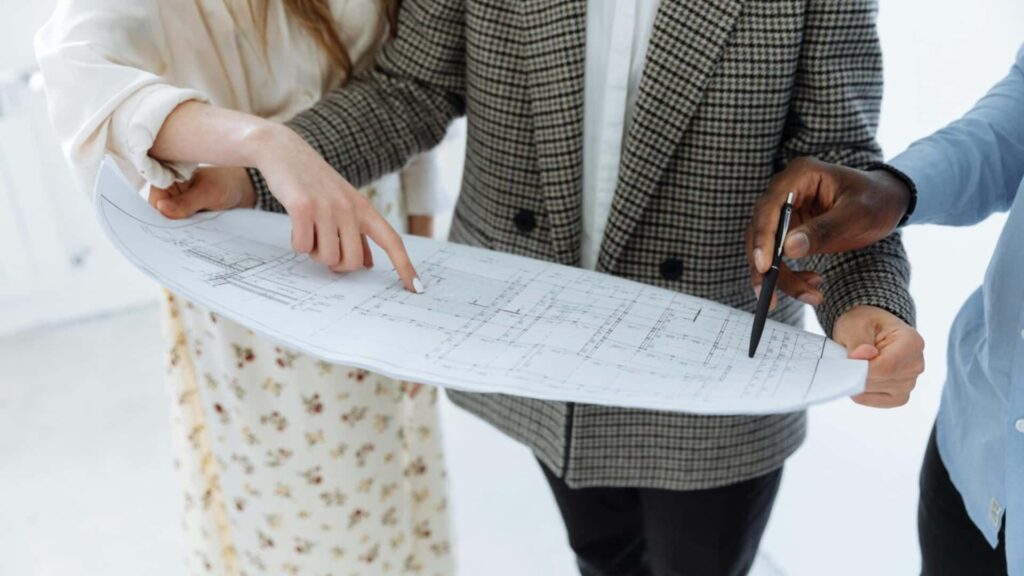
Aligning Facility Design with Business Objectives
Facility planning is not just about physical layouts, it begins with a clear understanding of the business model, target audience, and service offerings. Every decision, from space allocation to service flow, should reflect the overall concept and positioning of the brand. Through hospitality consulting, businesses can ensure that their facility design supports operational goals while also enhancing the guest experience. This alignment helps create spaces that are both practical for staff and appealing to guests.

Optimizing Space Utilization and Workflow
Efficient use of space is essential in hospitality environments where multiple functions operate simultaneously. Poorly planned layouts can lead to inefficiencies, increased operational costs, and compromised service quality. A structured planning approach focuses on optimizing workflows across departments, ensuring that back-of-house and front-of-house operations function cohesively. This results in smoother service delivery, reduced turnaround times, and better resource utilization across the facility.
Ensuring Compliance with Industry Standards
Hospitality facilities must adhere to a range of safety, hygiene, and regulatory standards. These include fire safety systems, accessibility requirements, ventilation, and sanitation protocols. Integrating compliance into the planning stage helps avoid costly modifications later and ensures that the facility operates within legal frameworks from the outset. Proactive planning also reduces operational risks and supports smoother approvals from regulatory authorities.
Integrating Technology and Modern Infrastructure
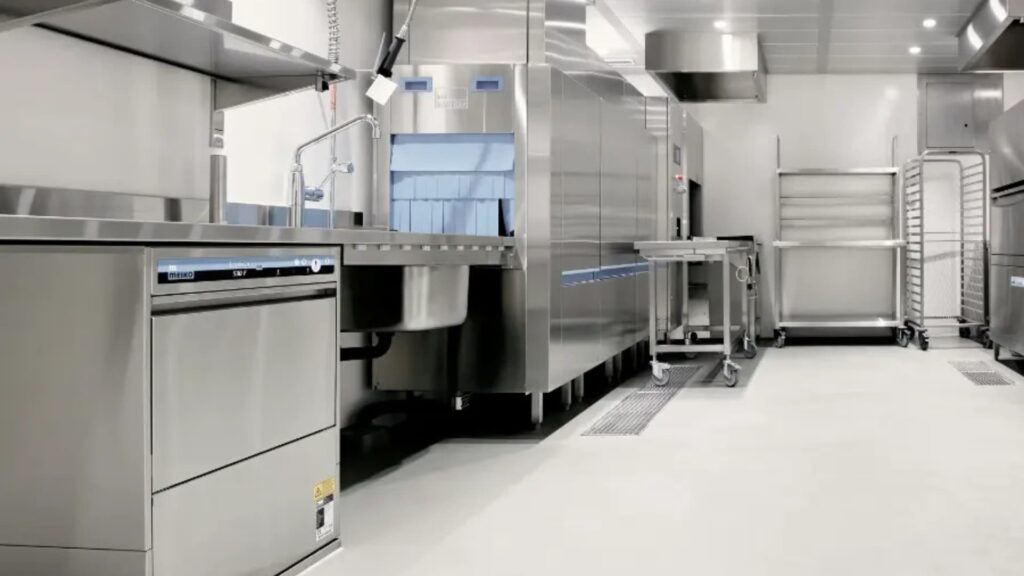
Modern hospitality operations increasingly rely on technology to enhance efficiency and guest satisfaction. From property management systems to smart energy solutions, integrating technology into facility planning is essential. A well-planned facility accommodates current technological needs while remaining adaptable for future upgrades, ensuring long-term relevance and efficiency. Insights from hospitality consulting can help identify the right technology investments that align with both operational needs and budget considerations.
Planning for Scalability and Future Growth
Hospitality businesses must be prepared to evolve with changing market demands. Facility planning should incorporate flexibility to accommodate expansion, renovation, or changes in service offerings. Designing adaptable spaces and infrastructure allows businesses to scale operations without significant disruption or investment. Considering future growth during the planning stage ensures long-term cost efficiency and operational continuity.
Conclusion
Effective facility planning lays the foundation for operational success and long-term growth in the hospitality industry. By aligning design, functionality, and compliance with business objectives, hospitality consulting enables businesses to create spaces that are efficient, scalable, and guest-focused. At HPG Consulting, this approach is central to delivering tailored solutions that help hospitality brands optimize their facilities and achieve sustained operational excellence.