
Facility planning is one of the most overlooked yet critical aspects of success in the hospitality industry. From hotels and resorts to restaurants and mixed-use developments, the way a facility is planned directly impacts operations, guest experience, and long-term profitability. Strategic planning supported by hospitality consulting helps businesses move beyond surface-level design and build facilities that perform efficiently, adapt to change, and support sustainable growth.
Why Strategic Facility Planning Matters in Hospitality
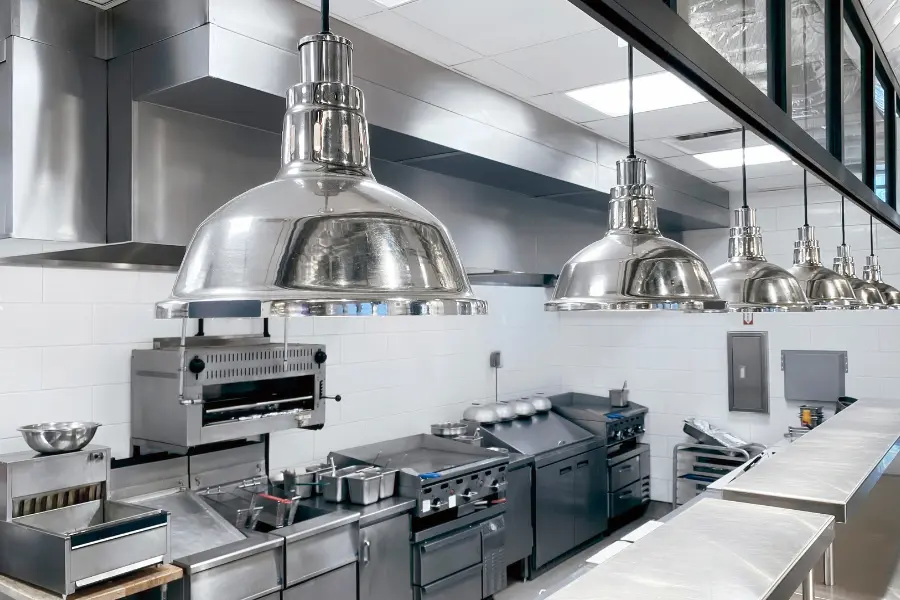
Hospitality facilities are complex environments where multiple functions operate simultaneously. Guest services, back-of-house operations, maintenance, and logistics must work together seamlessly. Poor planning can lead to inefficiencies, higher operating costs, and compromised service quality. Strategic facility planning ensures that every space is designed with a clear purpose, allowing operations to run smoothly while supporting both staff efficiency and guest satisfaction.
The Consultant’s Role Beyond Design and Aesthetics

Hospitality consultants bring value that goes far beyond visual appeal. Their focus is on functionality, flow, and long-term usability. Through hospitality consulting, facilities are planned by analyzing operational needs, expected footfall, service models, and future scalability. This approach ensures that design decisions are practical and aligned with how the facility will actually be used, reducing costly adjustments after launch.
Aligning Facility Design With Operational Efficiency
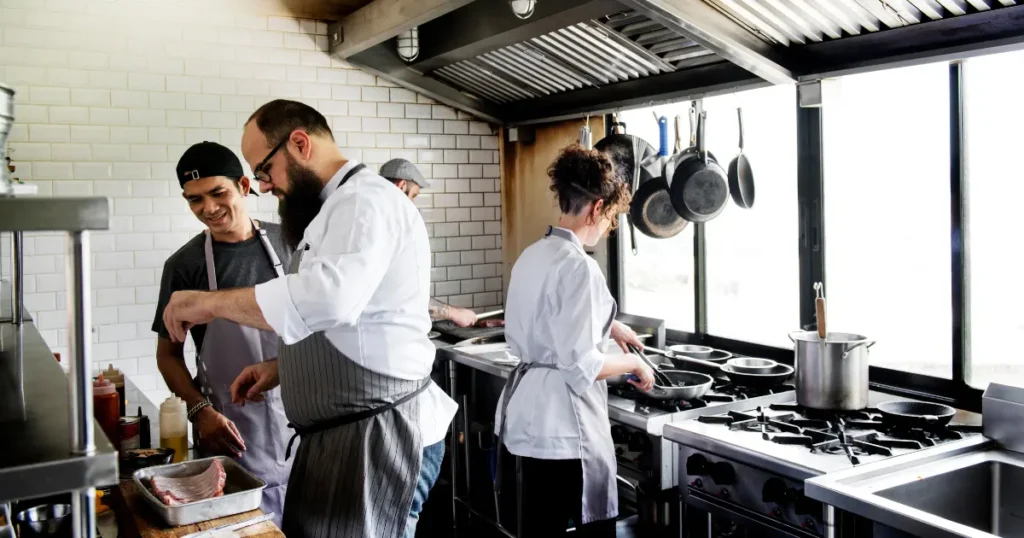
One of the hidden advantages of working with consultants is the ability to align physical spaces with operational realities. Facility layouts influence staff movement, service speed, and coordination across departments. Strategic planning helps reduce unnecessary movement, eliminate operational bottlenecks, and improve overall productivity. When facility design supports workflows, teams perform better, service quality improves, and operational costs are kept under control.
Supporting Scalability and Long-Term Business Goals

Hospitality businesses rarely remain static. Expansion, renovation, and service evolution are common over time. Facilities that are not planned with flexibility often struggle to adapt. Through proper consulting, businesses can future-proof their facilities by incorporating adaptable layouts and scalable systems. This allows properties to respond to market changes, introduce new services, or expand capacity without major disruptions.
Managing Risk, Compliance, and Operational Consistency

Facility planning also plays a major role in compliance and risk management. Safety regulations, accessibility standards, and operational guidelines must be integrated into the planning process from the start. Consultants help ensure that facilities meet regulatory requirements while maintaining operational consistency across departments. This proactive approach reduces compliance risks and supports smoother day-to-day operations.
Enhancing Guest Experience Through Thoughtful Planning

Guests may not notice good facility planning, but they immediately feel the impact of poor planning. Crowded spaces, confusing layouts, and service delays affect perception and satisfaction. Strategic facility planning supported by hospitality consulting ensures that guest-facing areas are intuitive, comfortable, and aligned with brand positioning. When spaces flow naturally, the guest experience becomes more seamless and memorable.
Conclusion
The true value of strategic facility planning often remains hidden until problems arise. By engaging professional hospitality consulting, businesses can design facilities that support efficiency, adaptability, and long-term success. Thoughtful planning transforms facilities into operational assets rather than limitations. With its deep understanding of hospitality operations and infrastructure planning, HPG Consulting helps businesses unlock the hidden value of their facilities and build spaces that perform well today and remain relevant tomorrow.