
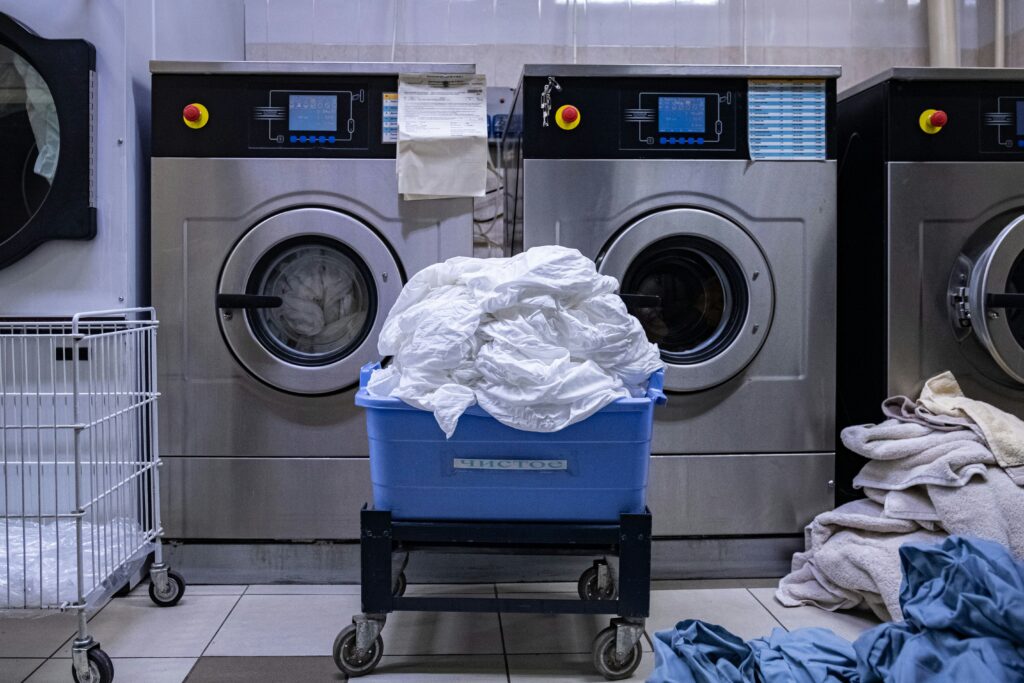
Ask a hotel owner to name their most important department, and the laundry room rarely comes up. Lobbies get redesigned. Restaurants get reimagined. Laundry gets whatever space is left over, usually somewhere far from anyone’s attention.
And yet, almost nothing in a hotel touches a guest as directly, or as often, as what comes out of that room. Crisp linen, soft towels, spotless uniforms, all of it depends on a department most properties never think twice about.
That’s exactly why Laundry Designs and Planning deserves far more attention than it gets. Overlooked doesn’t mean unimportant. It means the costs are quietly building somewhere nobody is watching.
The Department Guests Feel Without Ever Seeing
Guests never walk through a hotel laundry room, but they feel its output constantly. A stiff towel, a stained pillowcase, or a slow housekeeping turnaround can shape a guest’s impression just as much as the lobby decor.
That invisibility is exactly why the department gets deprioritized during planning. It’s hard to justify investing in a room nobody sees, until the room starts failing in ways everybody notices.
Thoughtful Laundry Designs and Planning treats this department as a direct extension of guest experience, not a back-of-house afterthought, because the gap between the two shows up faster than most hotels expect.
Where Poor Laundry Layout Quietly Drains Efficiency
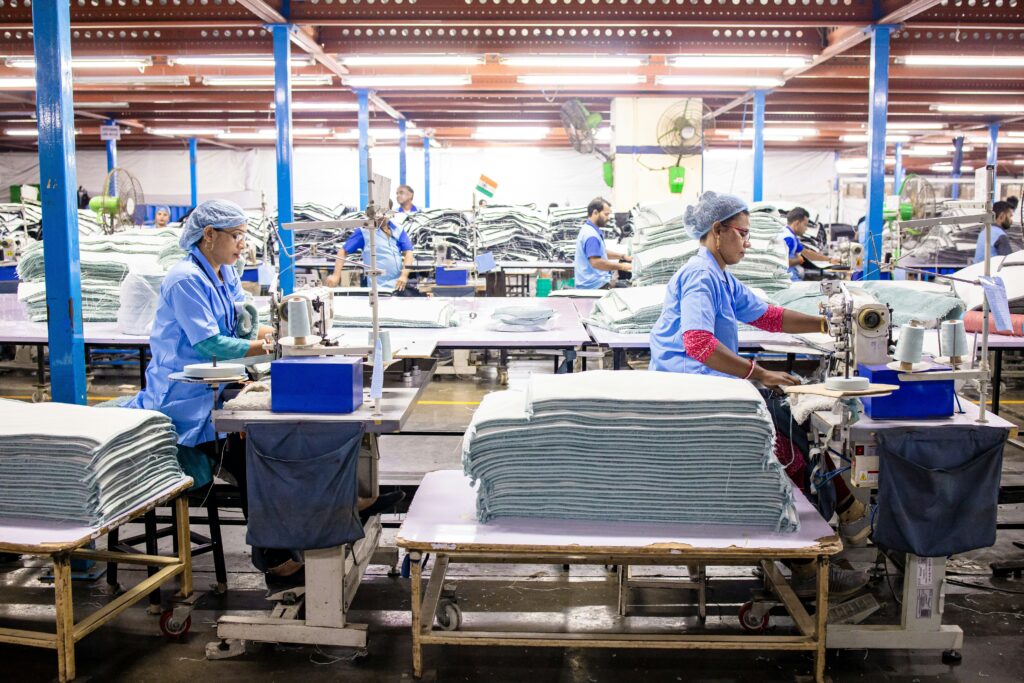
Most laundry rooms aren’t designed around workflow. They’re designed around whatever leftover space exists once everything else in the hotel has been planned.
That leads to soiled and clean linen crossing paths, machines placed without thought to ventilation or drainage, and staff walking far longer distances than the job should ever require. None of this looks dramatic day to day. It just slowly drains hours that should have gone toward turning rooms faster.
A laundry room planned around real workflow, separating dirty and clean zones, positioning machines along a logical path, cuts wasted movement and lets staff move at the pace guests actually need.
The Hidden Cost of Getting Capacity Wrong
Laundry capacity is usually estimated once, early in planning, and rarely revisited as a hotel’s room count, occupancy, or F&B linen needs grow.
Undersized capacity means outsourcing during peak season at a steep premium, or pushing staff into double shifts that quietly raise labor costs every single week. Oversized capacity means paying for water, energy, and machine upkeep that never gets used efficiently.
Getting this right requires Laundry Designs and Planning built around real occupancy data and growth projections, not a rough estimate made years before the property ever opened its doors.
Sustainability Starts in the Laundry Room, Not the Brochure

Laundry is one of the most water- and energy-intensive departments in any hotel, which makes it one of the most meaningful places to act on sustainability goals, not just talk about them.
Water-recycling systems, properly sized boilers, and energy-efficient machines can cut consumption significantly, but only when they’re planned into the room from the start rather than retrofitted around equipment already in place.
A hotel that gets this right turns its laundry room into proof of its sustainability commitments, not just a line item in a report nobody reads.
Conclusion
The laundry room may be the least visited department in any hotel, but it quietly shapes guest comfort, staff efficiency, and operating costs every single day.
Strong Laundry Designs and Planning gives this overlooked department the same level of thought a hotel gives its lobby or its restaurant, because the two are more connected than most owners realize.
Get the laundry room right, and it disappears into the background the way it should, simply working, every single day, without anyone needing to think about it twice.