
In hospitality, peak hours don’t announce themselves, they arrive all at once. Rooms turn over, restaurants fill up, and the demand for fresh linen spikes instantly. What guests experience as seamless service is often supported by a system working quietly in the background. And at the center of that system is laundry. Thoughtful Laundry Designs and Planning ensures that operations don’t just keep up with demand, but stay ahead of it, especially when pressure is at its highest.
Why Peak Hours Expose Operational Gaps
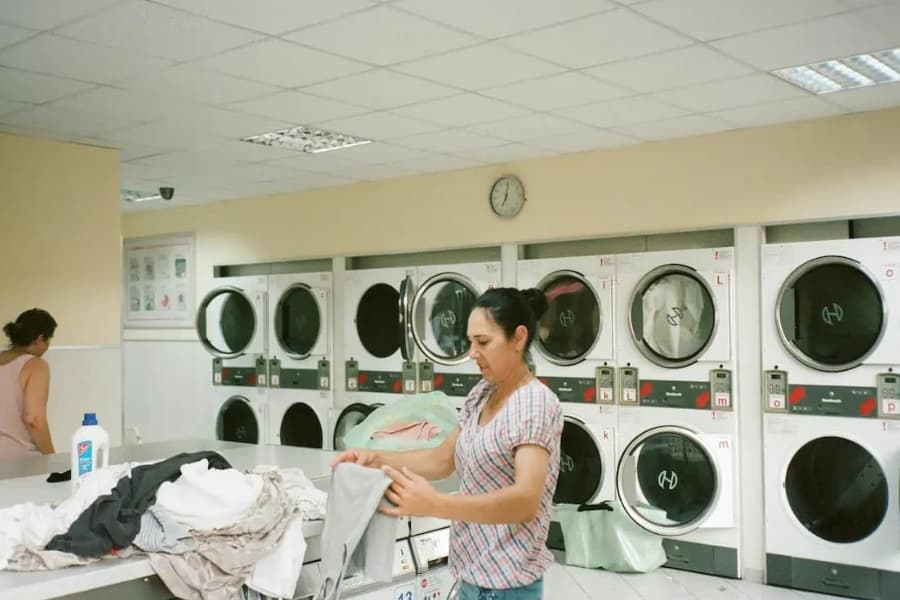
Laundry operations are often overlooked until they begin to fall behind. During off-peak hours, even inefficient systems can seem manageable. But when demand increases, back-to-back check-outs, banquet turnovers, or high occupancy, small inefficiencies quickly turn into visible delays.
Well-structured Laundry Designs and Planning anticipates these pressure points. It factors in load volumes, turnaround times, and workflow bottlenecks to ensure that operations remain consistent, even during peak demand. Proper layout and workflow planning directly reduce delays and improve turnaround efficiency.
Workflow That Keeps Up With Demand

Laundry is not just about washing, it’s about movement. Linen flows through multiple stages: collection, sorting, washing, drying, ironing, and redistribution. If even one of these stages slows down, the entire system is affected.
Effective Laundry Designs and Planning focuses on creating a continuous flow where each stage supports the next. Layouts are designed to minimise backtracking, reduce congestion, and ensure that teams can move efficiently without overlap. This kind of planning improves productivity and ensures that laundry keeps pace with real-time service needs.
Equipment and Capacity: Planning for the Peak Demand
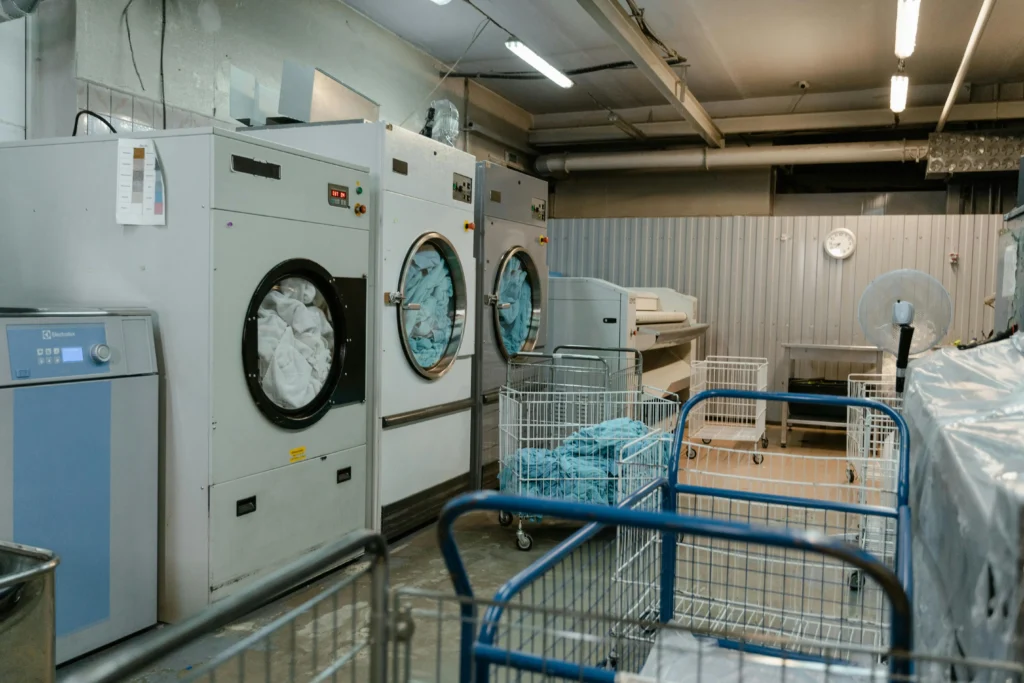
One of the most common mistakes in laundry planning is designing for average demand rather than peak load. In reality, hospitality operations are defined by their busiest moments.
The right approach calculates daily linen loads, selects appropriate equipment, and aligns capacity with peak-hour requirements. From washer-extractors to drying systems, every decision is based on performance under pressure, not just daily averages. This ensures that service readiness is never compromised, even during high-demand periods.
Reducing Staff Fatigue, Improving Efficiency
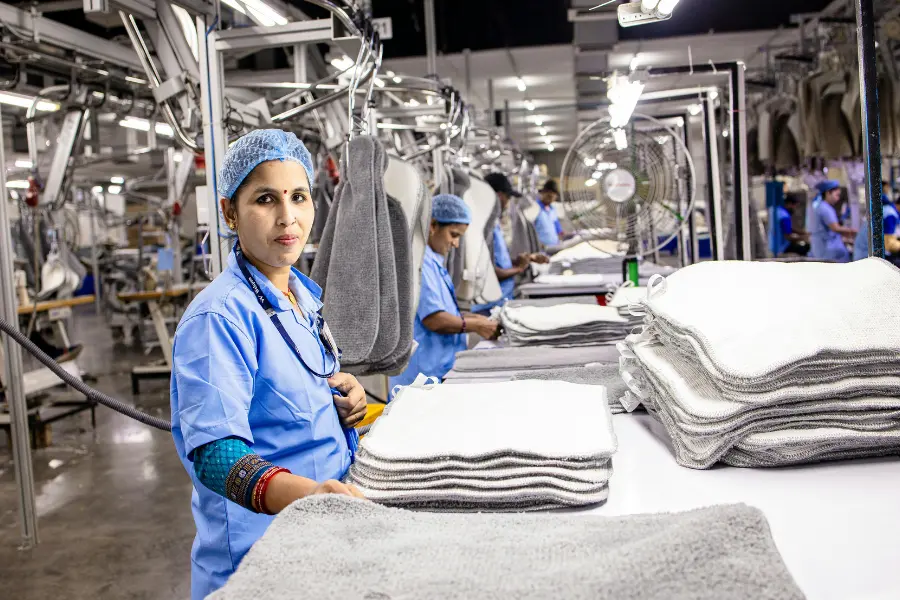
Peak hours don’t just strain systems; they strain people. Poorly designed laundry spaces often require excessive movement, manual handling, and inefficient workflows, leading to fatigue and slower performance.
Well-executed Laundry Designs and Planning considers comfort and staff movement as critical factors. By optimising layout, reducing unnecessary handling, and streamlining processes, teams can work more efficiently without burnout. Over time, this not only improves productivity but also ensures consistency in service delivery.
Conclusion
Service readiness in hospitality is built long before the guest arrives; it begins behind the scenes, in systems designed to perform under pressure. Laundry is one of the most critical yet underestimated parts of this system. When planned correctly, it supports seamless operations, faster turnaround times, and consistent service, even during peak hours. With the right Laundry Designs and Planning, hospitality spaces can move from reactive operations to proactive efficiency, ensuring that service never falls behind, no matter how busy it gets.