
In today’s competitive food service environment, operational efficiency has become a defining factor for success. Restaurants, hotels, and large-scale kitchens must function seamlessly even during peak hours to meet customer expectations and maintain profitability. Strategic planning guided by an experienced kitchen consultant helps food service businesses design kitchens that balance speed, safety, and long-term operational stability.
The Role of a Kitchen Consultant in Food Service Planning

A kitchen consultant plays a crucial role in aligning kitchen design with practical operational needs. Rather than focusing solely on visual appeal, consultants evaluate workflows, menu requirements, staffing patterns, and compliance standards. This approach ensures that kitchens are designed to support smooth coordination between teams, reduce service delays, and maintain consistent output during high-demand periods. Proper planning at this stage also minimizes costly modifications after operations begin.
Creating Layouts That Support Peak-Hour Performance
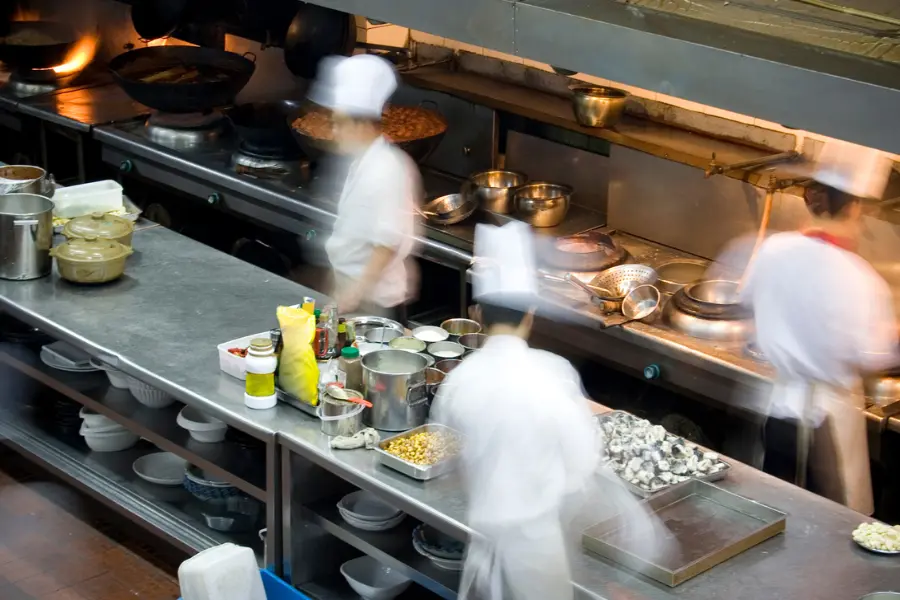
Kitchen layout has a direct impact on efficiency during busy service windows. Poorly planned spaces often lead to congestion, unnecessary movement, and increased stress on staff. Effective layout planning focuses on clear separation between preparation, cooking, plating, and storage zones. With structured planning informed by hospitality consulting, kitchens can handle high volumes while maintaining workflow clarity and operational control.
Equipment Planning for Efficiency and Cost Control
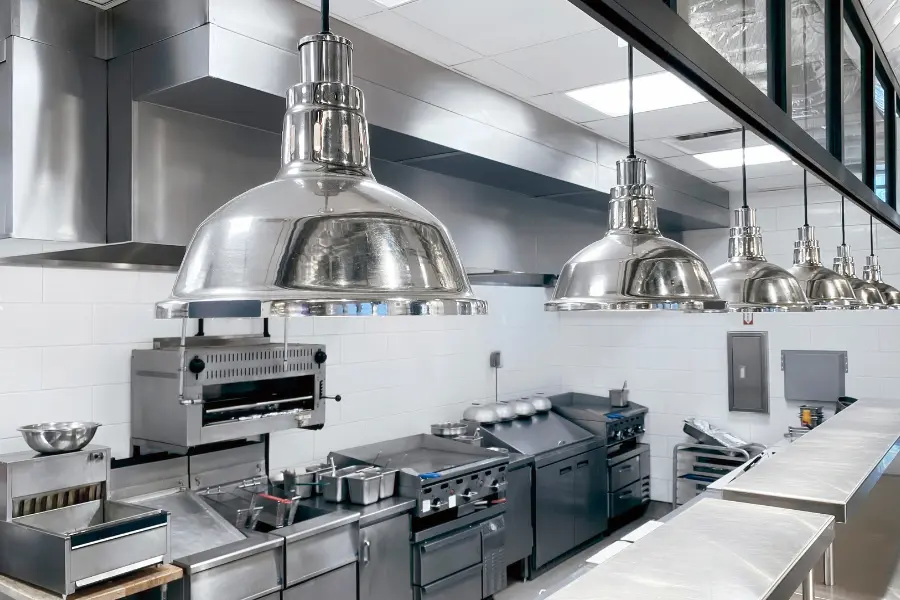
Choosing the right equipment is essential for maintaining peak performance in food service operations. Over-investing in equipment can inflate costs, while underpowered setups can slow down service. A skilled consultant evaluates production volume and menu complexity to recommend equipment that meets operational demands without excess. Thoughtful equipment placement also enhances accessibility, reduces downtime, and supports consistent performance during peak hours.
Improving Staff Productivity Through Smart Design

Staff efficiency is heavily influenced by how a kitchen is designed. Inefficient layouts increase fatigue, errors, and turnaround time. Strategic hospitality consulting focuses on improving station design, storage accessibility, and task flow to support faster and more accurate execution. When staff can move efficiently and access tools easily, overall productivity improves, leading to better service quality and controlled labor costs.
Ensuring Compliance, Safety, and Operational Consistency

Beyond efficiency, kitchen planning must also account for safety standards and regulatory compliance. Proper ventilation, waste management systems, and hygienic material selection play a critical role in maintaining a safe working environment. Well-planned kitchens reduce the risk of accidents, improve cleanliness, and ensure consistent operational practices across shifts. This level of planning not only protects staff but also safeguards the business from compliance-related disruptions.
Planning for Growth and Operational Longevity

Peak efficiency is not only about current performance but also about preparing for future growth. Well-planned kitchens allow businesses to adapt to changing menus, higher customer volumes, and expansion into new locations. Forward-thinking design ensures that kitchens remain flexible and functional as business needs evolve over time.
Conclusion
Achieving peak efficiency in food service operations requires careful planning, operational insight, and expert guidance. Working with a professional kitchen consultant enables businesses to design kitchens that perform reliably under pressure while supporting long-term growth. Combined with the right approach to hospitality consulting, food service operators can transform operational challenges into sustainable advantages. With its expertise in kitchen planning and operational strategy, HPG Consulting helps businesses build efficient, scalable kitchens designed for lasting success.