
Laundry operations support almost every department in a hotel or institution, yet the space itself is often overlooked. When the laundry layout is not designed with workflow and comfort in mind, it leads to slow linen turnaround, physical strain on staff, and unnecessary daily inefficiencies. Modern laundry planning addresses these challenges by aligning layout, equipment, and movement in a way that supports both productivity and well-being. With a thoughtful approach to laundry designs and planning, hotels can create laundry environments that function smoothly even during peak load.
Understanding Why Laundry Teams Experience Fatigue
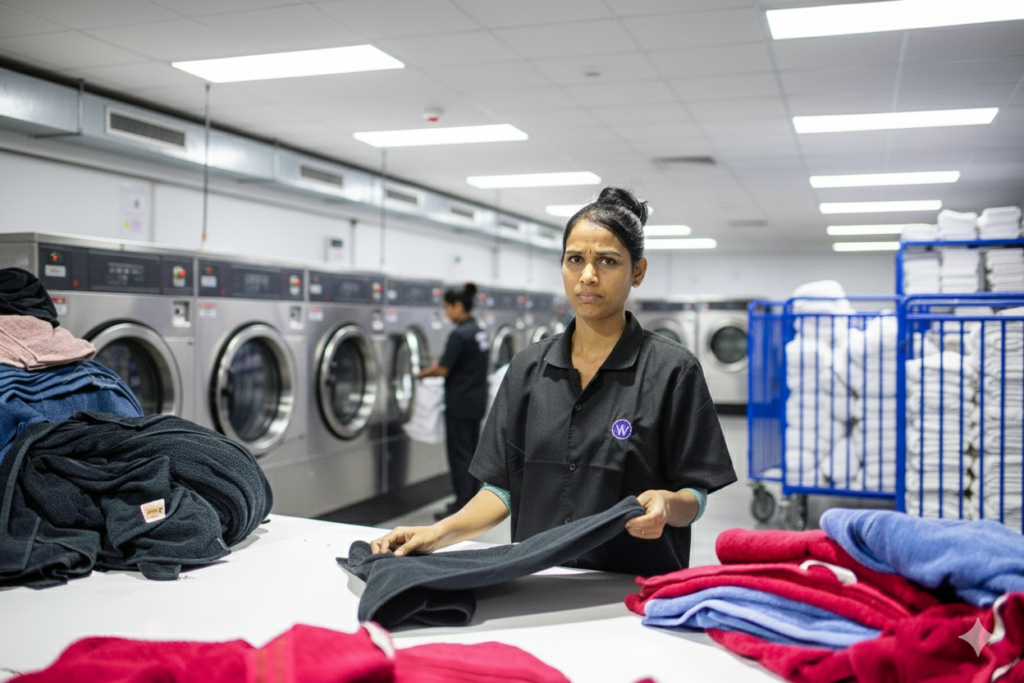
Laundry staff spend their entire shift performing repetitive physical tasks, lifting heavy piles of linen, sorting items, loading washers, and constantly moving between stations. In spaces where circulation is tight or the workflow forces long detours, this physical effort compounds quickly. Poorly positioned machines and inadequate ventilation can make the work even more tiring, especially during long operational hours.
The foundation of modern planning lies in studying how the team moves and where they expend the most energy. When consultants assess these movement patterns, they identify avoidable strain points, unnecessary steps, awkward turning paths, or cramped folding zones. Through improved laundry designs and planning, these efforts are reduced, creating a space that conserves staff energy instead of draining it.
Building a Workflow That Reduces Delays
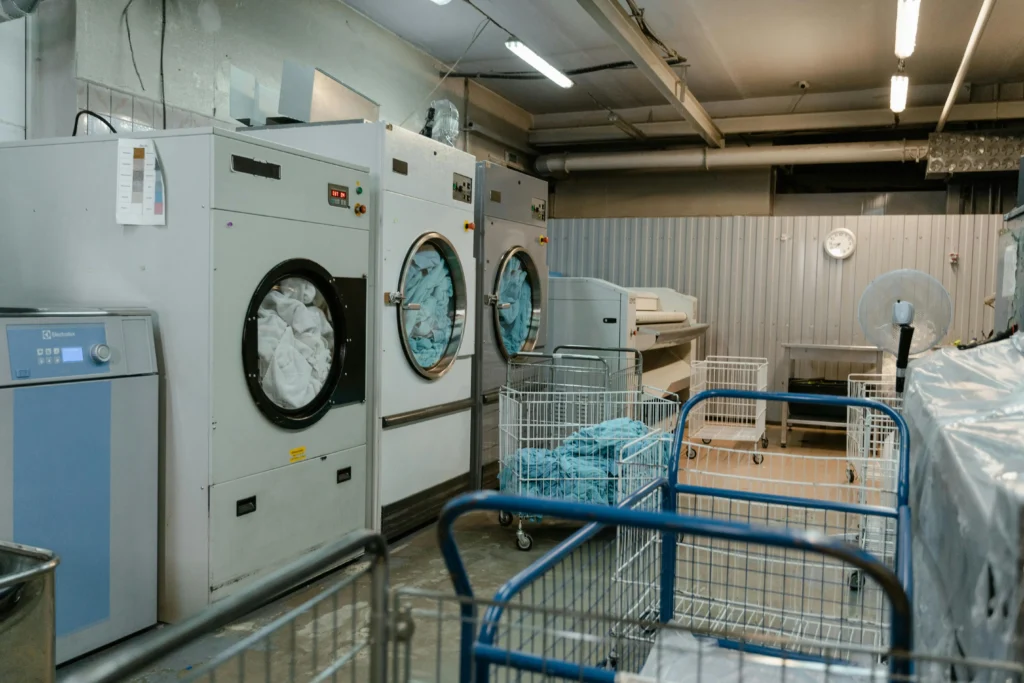
Laundry operations often slow down when stages overlap or when the movement of linen is forced to loop back into earlier zones. If clean linen and soiled linen are placed too close together, or if equipment is arranged without following the sequence of the laundry cycle, bottlenecks appear naturally.
A well-designed laundry follows a clear directional flow: soiled linen arrives, gets sorted, washed, dried, ironed, finished, and exits the area without retracing. When zones are arranged with this progression in mind, staff movement becomes effortless, and the entire process gains consistency. This kind of clear sequencing is exactly what good laundry designs and planning helps achieve, keeping the workflow steady even during busy hours.
Aligning Equipment Choices With Operational Reality

Even the best layout falls short if the equipment cannot keep up with daily linen demand. High-capacity washers, efficient dryers, and appropriate finishing equipment reduce the manual workload and help staff maintain productivity. But choosing machines isn’t enough, their placement must support the natural flow of work.
Consultants look at linen types, daily load cycles, peak hours, and available utilities before finalising equipment recommendations. Proper utility planning for drainage, steam, ventilation, and electrical load ensures that machines run without interruption. When equipment and workflow align, the result is smoother operations with far less physical strain on the team.
Designing a Comfortable and Safe Environment
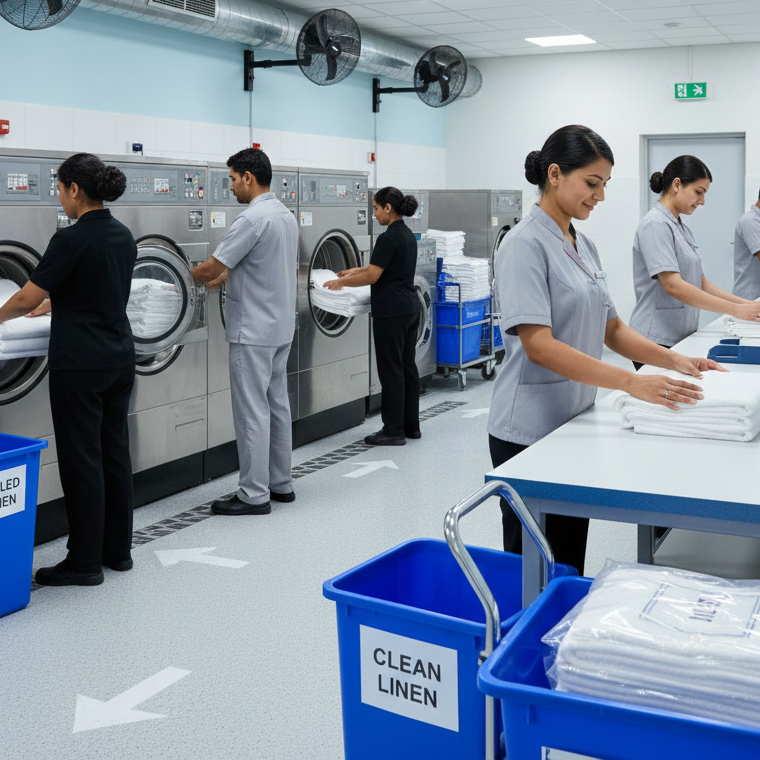
Ergonomics are critical in laundry spaces because they directly affect how staff perform over long hours. The height of folding counters, accessibility of machine doors, ease of unloading, and even lighting and airflow shape the staff’s experience. A workspace designed with comfort in mind reduces muscle strain and keeps energy levels steady throughout the shift.
Hygiene flow is another important aspect. Clear separation between soiled and clean linen prevents cross-contamination and avoids rework, which in turn reduces delays. When hygiene pathways are maintained properly, the overall operation stays clean, fast, and reliable.
Conclusion
Modern laundry planning transforms an often overlooked space into a smooth, efficient, and staff-friendly environment. By improving workflow, selecting appropriate equipment, and focusing on staff comfort, hotels can significantly reduce fatigue and eliminate bottlenecks. To build a laundry operation that supports both efficiency and well-being, explore expert laundry designs and planning with HPG Consulting.