
Laundry operations are a vital yet often underestimated part of daily hospitality and facility management. Whether in hotels, resorts, healthcare institutions, or large residential complexes, the laundry department works continuously behind the scenes to maintain hygiene, comfort, and service standards. When laundry areas are not planned strategically, inefficiencies quickly appear in the form of delays, staff fatigue, and operational bottlenecks. Proper planning transforms laundry spaces into streamlined, productive environments that support faster turnaround times and improved staff performance.
Creating a Workflow That Mirrors Real Operations
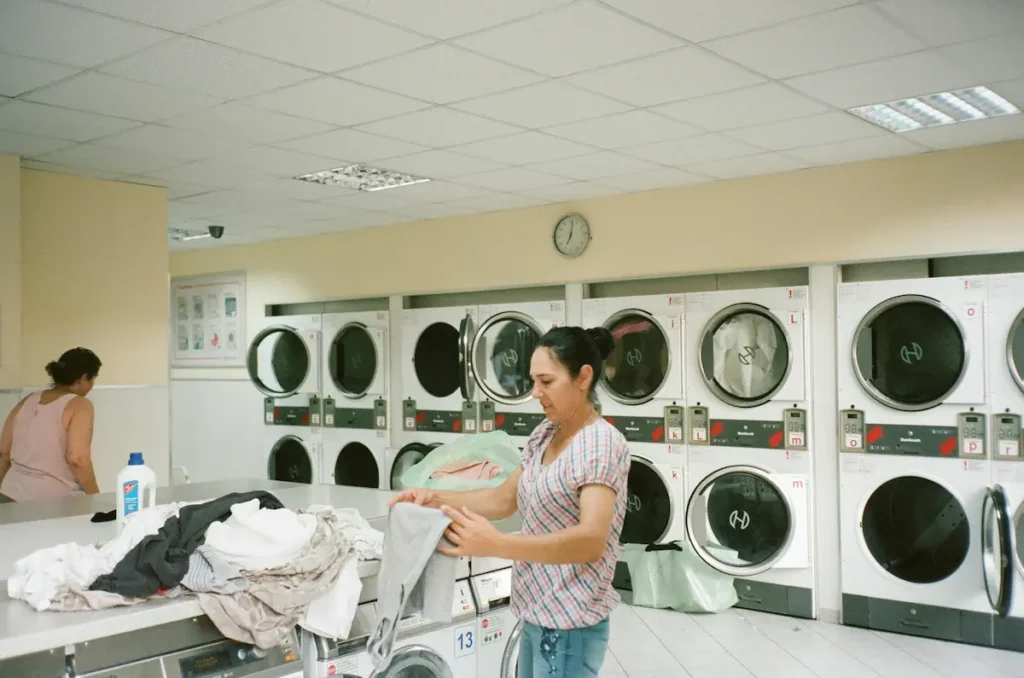
The foundation of an efficient laundry space lies in designing a workflow that reflects real daily operations. Linen and uniforms move through several stages, collection, sorting, washing, drying, ironing, folding, and redistribution. When these stages are not arranged logically, teams are forced to move back and forth, creating congestion and delays. Effective laundry designs and planning ensure that each stage follows a natural progression, reducing unnecessary handling and improving operational flow. This structured approach allows staff to work more efficiently, especially during peak hours when demand increases.
Reducing Physical Strain and Improving Ergonomics
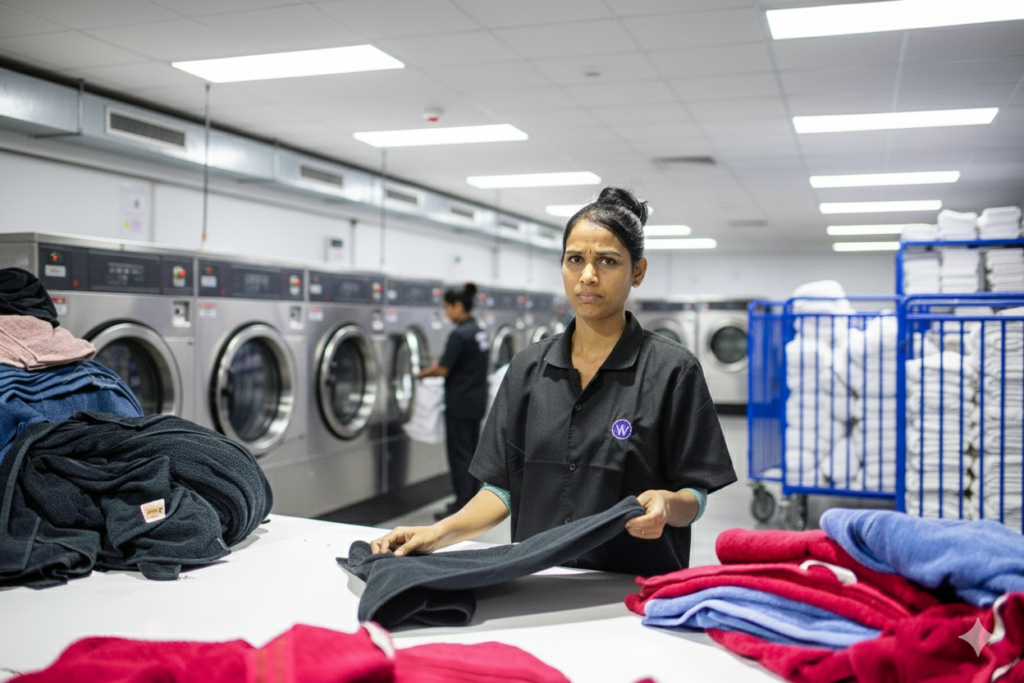
Laundry operations involve repetitive tasks such as lifting, folding, and transporting heavy loads. Poorly designed spaces often require staff to carry linens over long distances or work in cramped areas, leading to fatigue and reduced productivity. Over time, this can result in injuries and higher staff turnover. A well-planned layout considers ergonomic factors, including equipment height, workstation placement, and easy access to storage. By reducing physical strain, laundry designs and planning help create a safer work environment where teams can maintain productivity throughout long shifts.
Improving Turnaround Time During Peak Demand
In hospitality environments, laundry efficiency directly impacts guest satisfaction. Delays in processing linens can affect housekeeping schedules, room turnover times, and overall service quality. Strategic planning ensures that machines are positioned to support smooth handoffs between washing, drying, and finishing stages. When equipment capacity aligns with daily demand, teams can process higher volumes without compromising quality. This leads to faster turnaround times and more reliable operations across departments.
Enhancing Organisation and Storage Efficiency
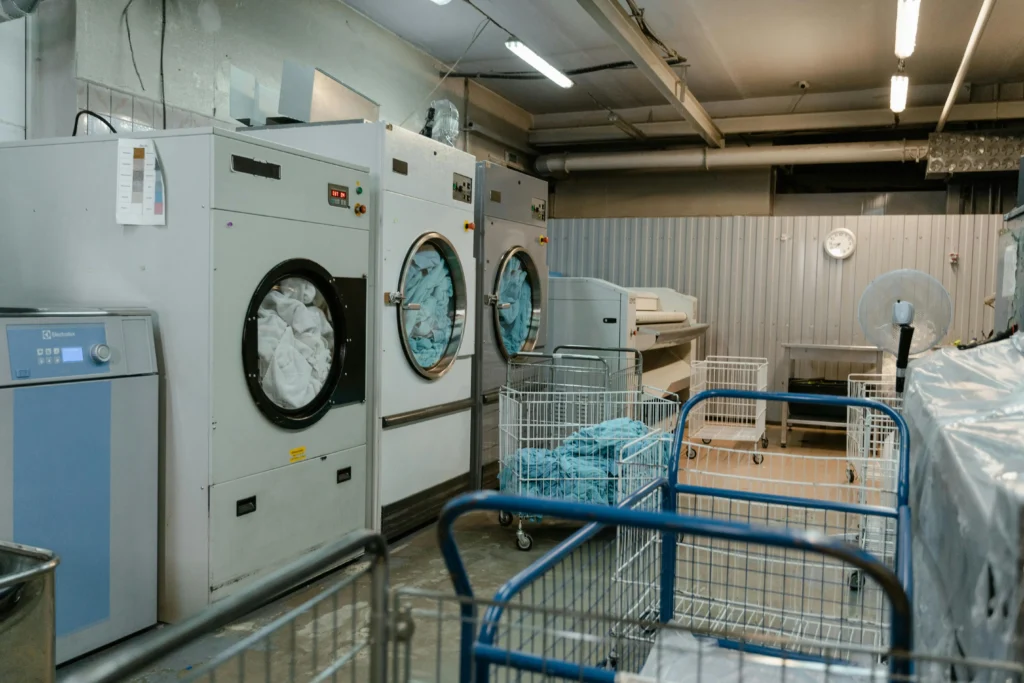
Storage is often one of the most overlooked aspects of laundry planning. Without designated spaces for soiled linen, clean linen, and items ready for distribution, confusion can quickly arise. Staff may spend valuable time searching for supplies or reorganising cluttered storage areas. Proper planning introduces clear storage zones that support organisation and hygiene. When teams know exactly where items belong, daily operations become faster, more predictable, and easier to manage.
Supporting Hygiene and Safety Standards
Laundry areas play a critical role in maintaining hygiene standards, especially in environments where cleanliness directly impacts guest or patient wellbeing. A well-designed layout separates clean and contaminated areas to prevent cross-contamination. Adequate ventilation, drainage, and equipment spacing further support safe operations. By integrating these elements into the design process, facilities can maintain high hygiene standards while improving efficiency.
Planning for Scalability and Future Growth

As businesses grow, laundry volumes increase. A facility that works efficiently today may struggle to keep up with future demand if scalability is not considered during planning. Flexible layouts allow for additional machines, expanded storage, and workflow adjustments without major redesigns. Investing in forward-thinking planning ensures the laundry facility continues to support operations as the business evolves.
Conclusion
Proper laundry planning plays a significant role in improving staff efficiency, safety, and operational consistency. When workflow, ergonomics, storage, and scalability are aligned, laundry spaces become productive environments that support the entire facility. With expert laundry designs and planning from HPG Consulting, businesses can create efficient laundry operations that reduce challenges, enhance productivity, and support long-term success.